
Full Coverage on Paid-Off Cars — Pennsylvania
Free to compare
When the Loan Ends, the Coverage Question Begins
You made the final car payment months ago, opened your renewal notice, and realized you're still paying the same premium for full coverage your lender once required. No one told you the collision and comprehensive portions became optional the moment the lien lifted. Many retired drivers in Pennsylvania carry full coverage on paid-off vehicles for years without reconsidering whether the cost still earns its place in a fixed-income budget.
The decision isn't about the loan. It's about whether paying $600 to $900 annually for collision and comprehensive coverage makes sense when the vehicle those premiums protect is worth $6,000 and declining, and whether your savings can absorb a total-loss replacement or your income can't. This article walks the specifics Pennsylvania retirees face when the lender stops mandating the decision and you have to make it yourself.
“When annual premiums exceed 10% of your vehicle's value, you're paying more to insure the asset than the asset is worth replacing.”

Lower Your Rate as a Retired Pennsylvania Driver
Get My Pennsylvania Retiree Auto Insurance Quote$15,000
PA Bodily Injury Minimum Per Person
Pennsylvania requires $15,000/$30,000 bodily injury liability and $5,000 property damage as the legal floor under 75 Pa.C.S. § 1786. The state mandates liability coverage but imposes no collision or comprehensive requirement once your lender releases the lien.
75 Pa.C.S. § 1786 (Required financial responsibility)
What Full Coverage Actually Protects After Payoff
Full coverage is shorthand for a liability policy with collision and comprehensive added. Liability pays the other driver's bills when you cause the accident; it's required by state law and protects your retirement assets from lawsuit judgments. Collision pays to repair or replace your vehicle after an accident regardless of fault. Comprehensive pays for theft, vandalism, weather damage, and animal strikes.
When your car carried a loan, the lender required collision and comprehensive to protect their interest in the collateral. Once you own the vehicle outright, those two coverages protect only you. The liability requirement remains; the physical-damage coverages become a financial judgment call you control.
Pennsylvania law does not require collision or comprehensive at any point. Many retirees assume the full package remains mandatory and never question the renewal. Your carrier will not call to suggest dropping coverage that generates premium.
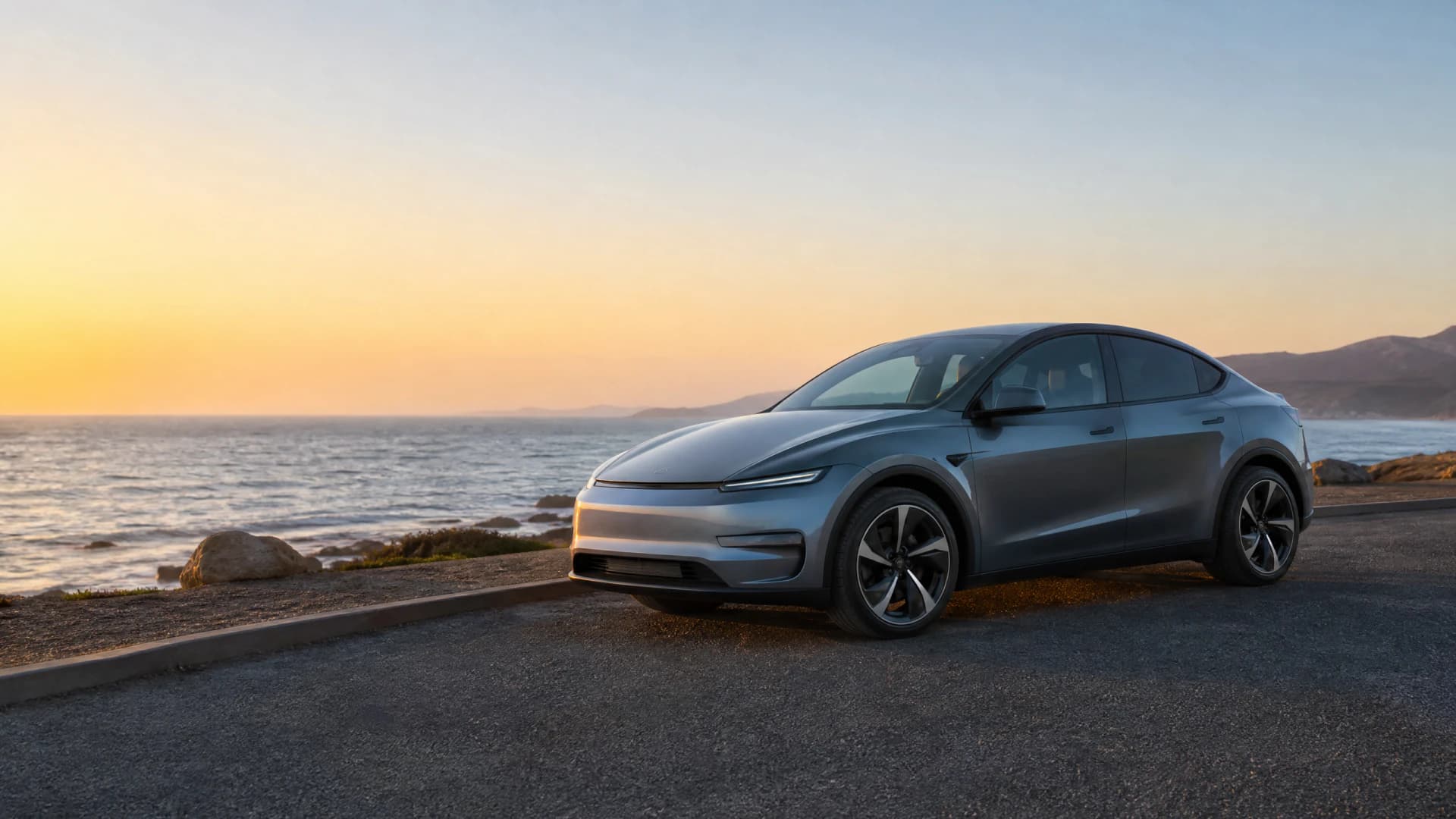
The unresolved question: whether your vehicle's declining value justifies the annual collision and comprehensive premium you're paying to protect it, or whether your fixed income and savings position make self-insuring the smarter path.
Related Articles





How Your Savings Position Changes the Calculation
Dropping collision and comprehensive makes sense only if you can afford to replace the vehicle from savings without financial hardship. A retiree with $25,000 in accessible savings and a $6,000 car can absorb a total loss. A retiree with $4,000 in savings and the same car cannot: losing the vehicle means financing a replacement or going without transportation.
If your emergency fund would be depleted by replacing the car, keep the coverage. The premium is expensive relative to the vehicle's value, but it's cheaper than a forced auto loan at retirement-age interest rates or losing mobility entirely. Many Pennsylvania retirees underestimate how much a totaled vehicle disrupts fixed-income household cash flow.
Medical-payments coverage and personal injury protection interact with Medicare for Pennsylvania drivers over 65. Medicare becomes the primary payer for medical bills after an accident, and PIP or med-pay coordinates as secondary coverage. Dropping PIP saves premium but leaves you with out-of-pocket costs Medicare doesn't cover: deductibles, co-pays, and non-medical accident expenses. This is a separate decision from collision and comprehensive, but it belongs in the same renewal review.

State-Specific Quirks That Complicate the Choice
Pennsylvania operates a choice no-fault system: you elected limited tort or full tort when you purchased your policy, and that election affects your ability to sue for pain and suffering after an accident. Limited tort reduces your premium but restricts lawsuit rights; full tort preserves them. Dropping collision doesn't change your tort election, but it does mean you're self-insuring vehicle damage while your lawsuit rights remain limited if you chose the lower-cost option years ago.
If your vehicle is totaled and you carried only liability, you receive nothing for your car and you cannot sue the at-fault driver for its value unless you elected full tort and the accident meets Pennsylvania's serious-injury threshold. Many retirees who chose limited tort decades ago no longer remember the restriction and assume they can recover vehicle value through the other driver's property-damage liability. You cannot. The at-fault driver's property-damage coverage pays your car's value only when you carry liability alone and they are liable; your collision coverage would have paid regardless of fault, and dropping it shifts total-loss replacement cost to you.
Comprehensive claims do not affect your rate the way collision claims do, but frequency matters. A retiree who parks under trees and files repeated windshield claims will see renewal increases even on comprehensive-only incidents. If your vehicle faces persistent environmental risks, comprehensive coverage may justify its cost despite the value threshold.
5%
PA Mature-Driver Discount Floor
Pennsylvania law requires insurers to offer at least a 5% discount to drivers 55 and older who complete a state-approved defensive driving course, per 75 Pa.C.S. § 1799.2. Completing the course reduces your liability, collision, and comprehensive premiums together, lowering the annual cost comparison against vehicle value.
75 Pa.C.S. § 1799.2
Comparison Path for Pennsylvania Retirees
Request a renewal quote with collision and comprehensive removed. Compare the annual savings against your vehicle's current private-party value and your household's liquid savings position. If the savings exceed 10% of the vehicle's value annually and your emergency fund can replace the car without hardship, dropping physical-damage coverage makes financial sense.
If you haven't completed Pennsylvania's state-approved mature-driver course, completing it before making the coverage decision reduces the premium on every coverage type by at least 5%. The statutory floor applies to collision and comprehensive premiums as well as liability. Many carriers writing in Pennsylvania offer the discount voluntarily at higher percentages, but the 5% minimum is legally required and verifiable at quote time. Taking the course first lowers the cost of keeping full coverage, which may shift the value threshold back in favor of retention.

Make the Decision With Your Next Renewal in Hand
Request a side-by-side comparison from your current carrier showing annual premium with full coverage, liability plus comprehensive only, and liability only. Verify your vehicle's current value through Pennsylvania DMV records or an independent appraisal source. Compare the collision and comprehensive annual cost against 10% of that value. Check your accessible savings balance and whether replacing the car outright would deplete your emergency fund or force financing.
If the premium percentage is above 10% and your savings can cover replacement, drop collision and comprehensive at your next renewal and bank the annual savings. If the percentage is above 10% but losing the vehicle would require a loan you can't afford, keep the coverage until your savings position improves or the vehicle's value declines further. The decision is financial, not emotional: the question is whether the premium protects an asset worth protecting or drains income better saved toward the replacement you'll eventually need.
The Asset-Value Threshold Most Retirees Miss
A 2016 sedan in good condition might carry a private-party value around $6,000. If your collision and comprehensive premiums total $750 annually, you're paying 12.5% of the car's worth each year to protect it. Over three years, the premiums exceed the replacement value. If you file one claim, your deductible reduces the payout and the rate increase at renewal eats the net benefit. The math favors self-insurance unless the vehicle's value climbs or the premium drops significantly.
Verify your vehicle's current value through your state's DMV valuation tool or a recognized appraisal source, not the figure you remember from purchase. Compare that value against your last renewal's collision and comprehensive line items combined. If the premium percentage crosses 10%, the coverage is costing more than the financial protection it delivers. Your decision then turns on whether your household savings can replace the vehicle outright if it's totaled, or whether losing it would force financing you can't afford.
Get Your Free Quote
Get My Pennsylvania Retiree Auto Insurance QuoteFrequently Asked Questions
Does Pennsylvania require collision or comprehensive coverage on paid-off vehicles?
No. Pennsylvania requires liability coverage under 75 Pa.C.S. § 1786 but imposes no collision or comprehensive requirement once your lender releases the lien. Those coverages become optional the moment you own the vehicle outright.
How do I know if keeping full coverage makes financial sense after my car is paid off?
Compare your annual collision and comprehensive premiums against your vehicle's current private-party value. If the combined premium exceeds 10% of the vehicle's worth and your savings can replace the car without hardship, dropping physical-damage coverage typically makes financial sense.
Will my rate go up if I drop collision and add it back later?
Your carrier may underwrite you as a new collision risk when you add coverage back after a gap, potentially resulting in a higher rate than you paid before dropping it. Some carriers treat coverage gaps as increased risk and price accordingly at reinstatement.
Can I keep comprehensive and drop collision on a paid-off car in Pennsylvania?
Yes. Comprehensive and collision are separate coverages, and you can carry one without the other. Many retirees keep comprehensive for theft and weather protection while dropping collision to save premium, particularly when the vehicle is older and accident risk is the larger cost driver.
Does Medicare cover accident injuries if I drop medical payments coverage in Pennsylvania?
Medicare becomes your primary payer for accident-related medical bills, and dropping PIP or medical payments leaves you responsible for Medicare deductibles, co-pays, and non-medical accident costs those coverages would have paid as secondary. The savings may not justify the out-of-pocket exposure depending on your Medicare supplement.
How does Pennsylvania's tort election affect my decision to drop collision coverage?
If you elected limited tort to save premium, you gave up most lawsuit rights for pain and suffering, and dropping collision means you self-insure vehicle damage with limited ability to recover from the at-fault driver unless the accident meets the serious-injury threshold. Full tort preserves lawsuit rights but does not change the fact that dropping collision shifts replacement cost to you.