
Car Insurance for Retirees — Scranton, PA
Free to compare
When Your Premium Stays High Despite Driving Less
Your renewal notice arrived last month and the premium is exactly where it was a year ago, even though you drove 4,000 fewer miles, dropped your commute entirely, and haven't filed a claim in a decade. The carrier knows you're 67 and retired; the rate should reflect that. It doesn't, because Pennsylvania's mature-driver discount is not age-triggered—it's certificate-triggered, and most carriers in Scranton will never apply it unless you submit proof of course completion.
This article walks the complete pathway: which carriers writing in Scranton offer the discount and how each one processes it, how to complete an approved defensive driving course in Pennsylvania, what the statute guarantees versus what you actually get at renewal, and how to confirm the discount landed on your policy. If you're paying the same rate you paid while commuting 40 miles a day, you're likely subsidizing drivers who crash more often than you do.
“The discount is mandated by law but not applied automatically—carriers wait for you to submit the certificate, and if you never do, the discount never appears.”

Lower Your Rate as a Retired Pennsylvania Driver
Get My Pennsylvania Retiree Auto Insurance Quote5%
PA Statutory Discount Floor
Pennsylvania law requires insurers to offer at least a 5% discount to operators aged 55 and older who complete an approved driver improvement course. Carriers may exceed this floor, but the 5% is the legal minimum.
75 Pa.C.S. §1799.2
The Discount Is Mandated, Not Automatic
Pennsylvania law requires every insurer writing in the state to offer a mature-driver discount to policyholders 55 and older who complete a state-approved defensive driving course. The statutory floor is 5%, and carriers can offer more. What the statute does not require is automatic application. You complete the course, receive a certificate, and submit it to your carrier or agent—only then does the discount appear.
Most Scranton retirees assume the discount applies when they turn 55 or when they retire. It does not. The trigger is course completion, and the proof is the certificate. If you never take the course or never file the certificate, the discount never shows up at renewal, even if you've been eligible for years. The carrier has no obligation to remind you, and in practice, most do not.
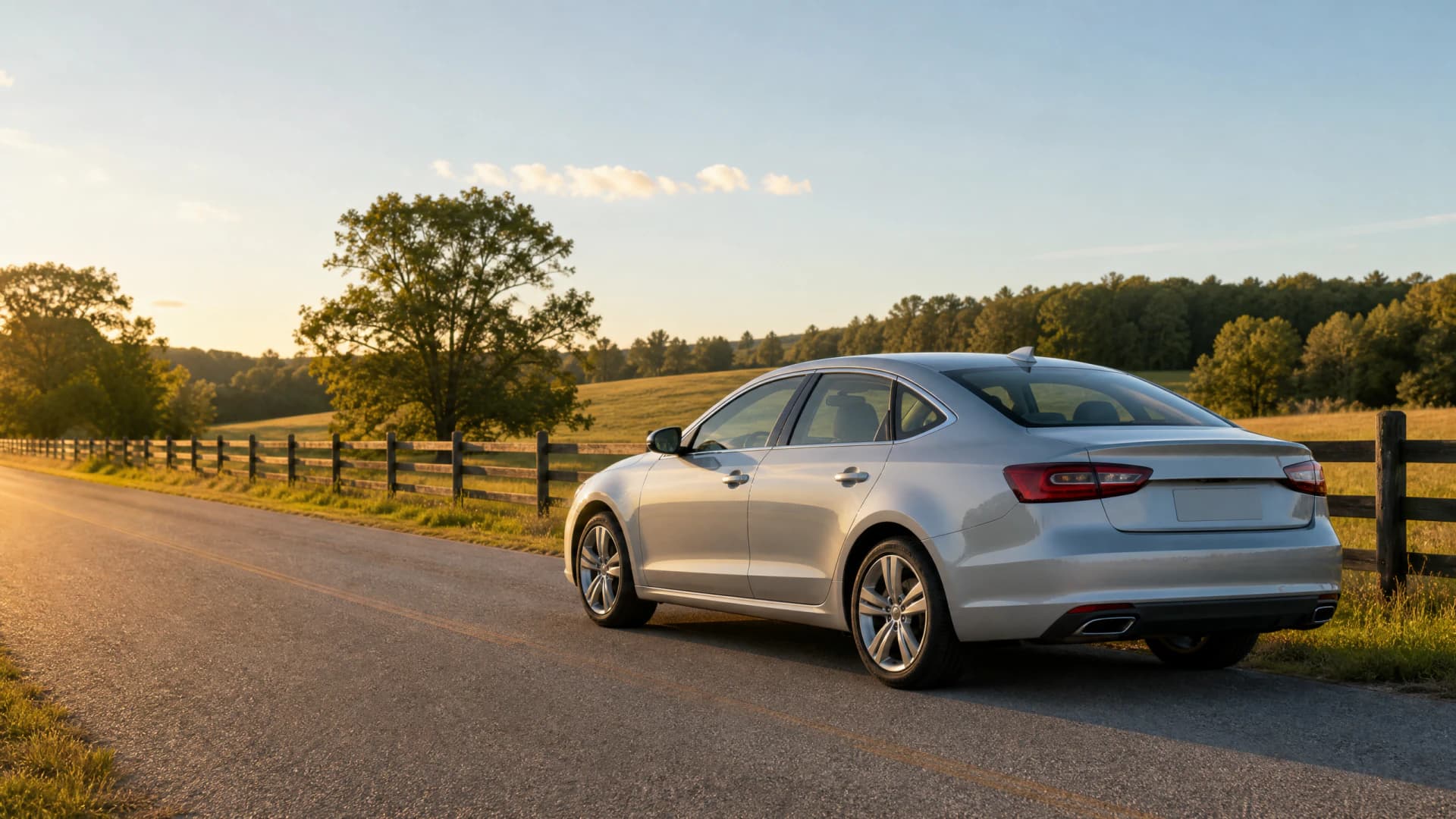
The blocker: you qualified years ago, but no one told you the discount requires a course certificate, so your renewal keeps cycling at the higher rate while the discount sits unused.
Related Articles

Best Car Insurance for Retirees in Scranton PA
6/14/2026

Cheapest Car Insurance for Scranton Retirees
6/14/2026

Cheapest Retiree Car Insurance Scranton PA
6/14/2026

Car Insurance for Retirees in Pennsylvania
6/14/2026

Cheapest Car Insurance for PA Retirees
6/14/2026

Cheapest Car Insurance for Retired Drivers PA
6/14/2026

Which Carriers in Scranton Apply the Discount and How They Process It
Of the carriers writing in Pennsylvania and serving Scranton retirees, Erie, State Farm, Nationwide, Geico, Progressive, and Allstate all offer the mature-driver discount and accept the state-approved course certificate. Erie and State Farm typically require submission through your local agent; online submission is not universally available. Geico and Progressive allow certificate upload through their online portals, which speeds processing but still requires you to initiate the submission—they do not pull course records automatically.
Nationwide's process varies by agent, and some Scranton-area agents still prefer faxed or mailed certificates over digital uploads. Allstate applies the discount after agent verification, which can add a week to processing time. None of these carriers apply the discount retroactively to prior policy periods; the effective date is the renewal or billing cycle following submission.
Low-mileage programs layer on top of the mature-driver discount and address the second half of the retiree rate problem: you're driving 6,000 miles a year instead of 15,000, but your rate still assumes commuter exposure. Geico, Progressive, and Nationwide offer usage-based or low-mileage programs in Pennsylvania. Geico's program uses a plug-in device; Progressive's Snapshot monitors mileage and driving behavior via app or device; Nationwide's SmartMiles charges a base rate plus a per-mile rate, which works well for retirees whose cars sit in the driveway most of the week.
Combining the statutory 5% mature-driver discount with a low-mileage or usage-based program addresses both the age-profile and mileage-profile gaps in your current rate. The discount alone will not drop your premium to what a 6,000-mile-per-year driver should pay; the mileage program finishes the job. Ask each carrier you quote with whether enrollment in both programs is allowed on the same policy—most permit it, but a few non-standard carriers restrict stacking.
25
Carriers Writing in PA
Twenty-five carriers are licensed and actively writing auto insurance in Pennsylvania, including standard, preferred, and non-standard tiers. Retirees with clean records typically qualify for preferred or standard-tier carriers, which offer the widest program access.
Pennsylvania Department of Insurance licensure records

Coverage Fit: Full Coverage on a Paid-Off 2015 Sedan
You bought your 2015 Honda Accord new, paid it off three years ago, and it now has 98,000 miles on it. The carrier still charges you for collision and comprehensive coverage, and together those coverages cost more per year than the car is worth in a private sale. The coverage-fit question is whether collision and comprehensive still earn their cost when the vehicle's actual cash value is below the annual premium for those coverages combined.
If the car is worth $4,500 in its current condition and you're paying $600 per year for collision and comprehensive combined, you'll recover at most $4,500 minus your deductible if the car is totaled. After two years of premiums, you've paid $1,200 for coverage on an asset worth $4,500; after a $500 deductible, a total-loss payout is $4,000. The math works if you cannot afford to replace the car out of pocket, but if you have $5,000 in accessible savings earmarked for vehicle replacement, dropping collision and keeping only comprehensive and liability is often the better allocation.
Medical Payments and Medicare: What Coordinates and What Doesn't
Pennsylvania requires personal injury protection (PIP) on every auto policy unless you opt out in writing. PIP covers your medical expenses after an accident regardless of fault, up to the policy limit. Once you're on Medicare, the coordination question is which coverage pays first. Medicare is generally secondary to PIP, meaning your auto insurance pays up to its limit before Medicare steps in.
If your PIP limit is $5,000 and your accident-related medical bills total $12,000, PIP pays the first $5,000 and Medicare covers the remaining $7,000 subject to its own rules. Medical payments coverage, which some Pennsylvania policies offer as an optional add-on, works similarly—it pays before Medicare. The question is whether carrying PIP or med-pay at higher limits makes sense when Medicare already provides your primary health coverage. For most Scranton retirees, keeping the state-minimum PIP and dropping optional med-pay reduces premium without creating a gap, because Medicare is already in place.

The Next Step: Compare Carriers Who Serve Retirees Well
Confirm which carriers writing in Scranton offer both the mature-driver discount and a low-mileage or usage-based program. Request quotes from at least three: one preferred-tier carrier (Erie, State Farm), one standard-tier online-quote carrier (Geico, Progressive), and one that explicitly markets to retirees (Nationwide SmartMiles if low annual mileage applies). Submit your defensive driving course certificate to each carrier during the quoting process so the discount is baked into the initial quote, not added later. Ask each carrier whether stacking the mature-driver discount with their mileage program is allowed, and get the answer in writing before you bind coverage. The pathway forward is comparison across carriers who understand that a 68-year-old retired driver with 6,000 annual miles and a clean record is not the same risk as a 35-year-old commuting 15,000 miles a year—find the carrier whose underwriting reflects that.
How to Complete the Course and File the Certificate
Start at the Pennsylvania Department of Transportation (PennDOT) website or the Pennsylvania Department of Insurance consumer help center to confirm which course providers are state-approved. Approved providers include AARP, AAA (if you're a member), and several online platforms. In-person courses are offered through community colleges and senior centers in Lackawanna County; online courses allow you to complete modules at your own pace. Most courses cost between $15 and $35, though AARP members often pay less.
After completion, the provider issues a certificate showing your name, date of birth, course completion date, and the provider's approval number. Submit a copy of this certificate to your carrier or agent immediately—do not wait until renewal. Most carriers process the discount within one billing cycle if submitted before the renewal date. If you submit it after renewal, the discount applies to the next cycle, meaning you pay the higher rate for another six or twelve months depending on your policy term.
Get Your Free Quote
Get My Pennsylvania Retiree Auto Insurance QuoteFrequently Asked Questions
Does the Pennsylvania mature-driver discount apply automatically when I turn 55?
No. Pennsylvania law requires insurers to offer the discount, but it applies only after you complete a state-approved defensive driving course and submit the certificate to your carrier. Age alone does not trigger it.
How long does the Pennsylvania defensive driving course certificate stay valid?
The certificate is valid for three years from the course completion date. After three years, you must retake the course and submit a new certificate to maintain the discount.
Can I combine the mature-driver discount with a low-mileage program in Pennsylvania?
Most carriers allow stacking the mature-driver discount with usage-based or low-mileage programs. Geico, Progressive, and Nationwide all permit this in Pennsylvania, but confirm with each carrier during quoting.
Which Scranton-area carriers process the mature-driver discount fastest?
Geico and Progressive allow online certificate upload and typically process the discount within one billing cycle. Erie and State Farm require submission through your agent, which can add processing time depending on the agent's workflow.
Should I keep collision coverage on a 10-year-old paid-off car in Scranton?
If the car's actual cash value is less than two years of combined collision and comprehensive premiums, and you have accessible savings to replace it, dropping collision and keeping only liability and comprehensive often makes better financial sense.
Does Medicare replace the need for PIP on my Pennsylvania auto policy?
No. PIP pays first after an auto accident, and Medicare pays secondary. Keeping the state-minimum PIP ensures coverage without creating a gap, even though Medicare is your primary health insurer.