
Car Insurance After Dropping a Second Car — Lancaster, PA
Free to compare
When Dropping a Car Raises Your Rate
You called your carrier to remove the sedan you no longer drive, expecting your household bill to drop. Instead, your next renewal notice arrived with a higher per-vehicle premium on your remaining car. The multi-car discount disappeared as expected, but the single-car rate landed higher than half of what you paid before, and no one at the agency explained why.
Pennsylvania insurers recalculate your rate the moment your policy changes from multi-car to single-car. The old rate reflected bundled-household pricing; your new rate reflects single-vehicle underwriting. That shift opens the door to a different set of discounts, and most retirees in Lancaster who just dropped a second car have never asked which ones now apply.
“Pennsylvania mandates the mature-driver discount, but insurers do not apply it unless you ask and submit a valid certificate.”
Lower Your Rate as a Retired Pennsylvania Driver
Get My Pennsylvania Retiree Auto Insurance Quote5%
PA Minimum Mature-Driver Discount
Pennsylvania law requires insurers to offer at least a 5 percent discount to operators 55 and older who complete an approved driver improvement course. Most carriers in the state exceed the statutory floor, but you must request it and submit the certificate.
75 Pa.C.S. §1799.2
Why Single-Car Rates Land Higher Than Expected
Multi-car discounts in Pennsylvania typically range from 10 to 25 percent off the household premium, applied across all vehicles. When you drop to one car, that entire discount structure vanishes. Your insurer does not prorate it or transfer half to the remaining vehicle. The single car now carries its full underwriting rate, calculated independently.
Carriers treat single-car households as a distinct risk pool. You lose the multi-car discount, but you also exit the underwriting tier that bundled two vehicles and two sets of liability exposure. That recalculation can work in your favor if you rebuild the discount stack with programs your old multi-car rate never triggered: the state-mandated mature-driver course discount, low-mileage programs for retirees no longer commuting, and usage-based telematics that reward the light driving your household now reflects.
Most Lancaster agencies never mention the mature-driver discount unless you ask. The statute requires insurers to offer it, but it does not require them to apply it automatically. If you completed an approved course five years ago and never re-certified, your old certificate expired and the discount lapsed at your last renewal. Dropping the second car and staying silent about re-enrollment means you pay the post-multi-car rate with none of the single-car offsets in place.
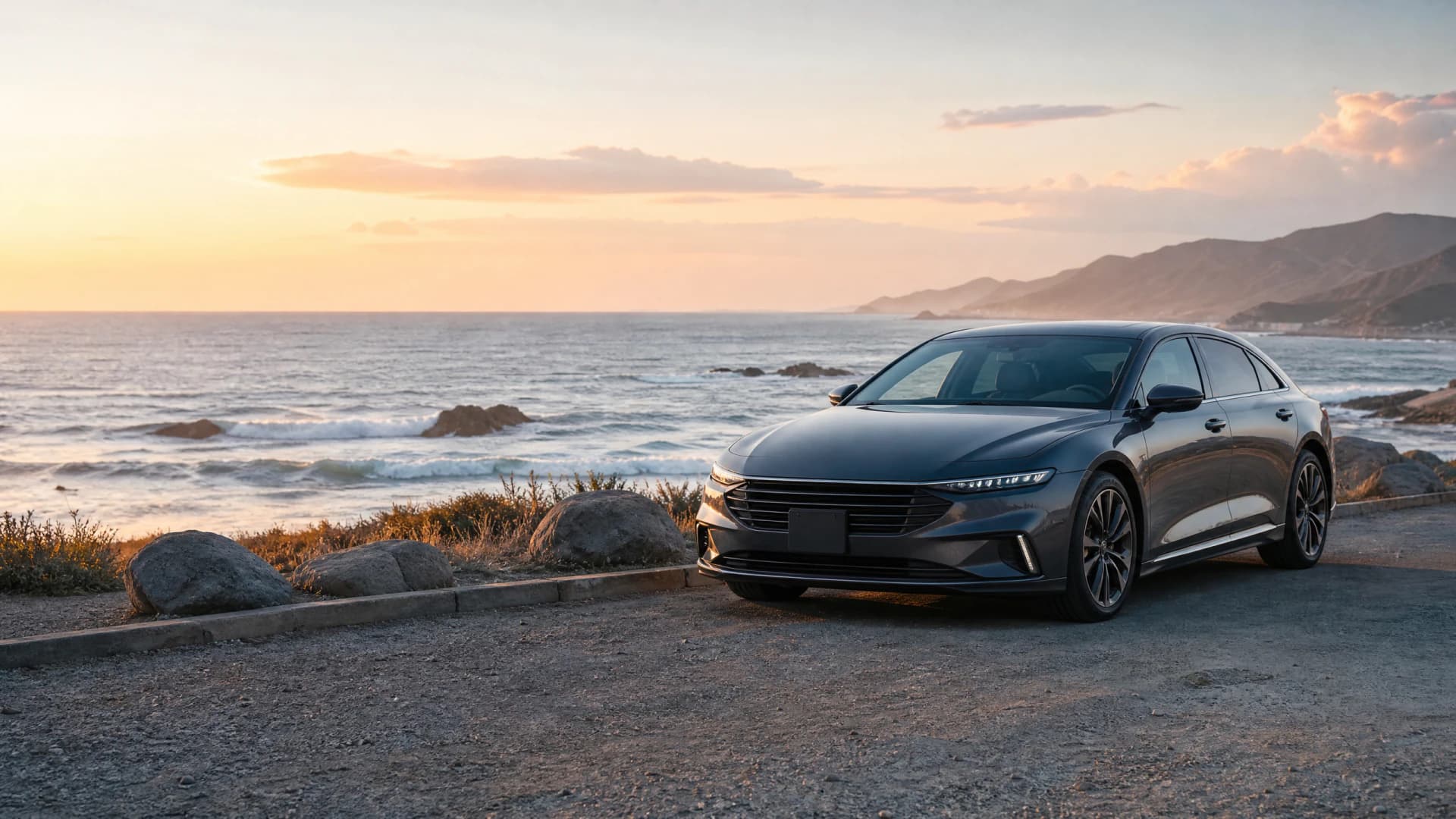
Your carrier will not tell you the mature-driver discount lapsed when your certificate expired. If you completed the course years ago and your rate climbed at renewal, re-certify and resubmit now.
Related Articles
Car Insurance After Dropping a Second Car
6/14/2026
Car Insurance After Dropping Second Car
6/14/2026

Retiree Car Insurance After Dropping a Second Car
6/14/2026
Insurance After Dropping Second Car Harrisburg
6/14/2026

After Dropping a Second Car in Philadelphia
6/14/2026

Dropped Second Car Insurance in Bethlehem PA
6/14/2026
State-Specific Quirks That Complicate Single-Car Transitions
Pennsylvania's approved-provider list for mature-driver courses changes periodically. A provider approved when you took the course five years ago may no longer carry state certification. If you submit a certificate from an unlisted provider, your carrier will reject it and the discount will not apply. Verify the provider appears on the current Pennsylvania Department of Insurance approved list before you enroll, not after you complete the course.
Certificates must be submitted within 30 days of course completion to apply at your next renewal in Pennsylvania. Miss that window and the discount may not appear until the following renewal cycle, leaving you paying the higher rate for an additional six or twelve months depending on your policy term. Agencies rarely clarify this deadline, and most retirees assume the carrier will backdate the discount once the certificate arrives. They will not.
If you completed the course while your multi-car policy was active, the discount applied to your household rate. Now that you carry a single-car policy, the percentage applies to a different base premium. The dollar savings will be smaller in absolute terms, but the discount still offsets part of the increase caused by losing the multi-car bundle. Comparing your old household bill to your new single-car bill without accounting for the mature-driver discount makes the increase appear larger than it actually is once all single-car programs are in place.
$15,000
PA Bodily Injury Minimum Per Person
Pennsylvania's statutory minimum is $15,000 per person, $30,000 per accident, and $5,000 property damage. Retirees with retirement assets above that floor face uninsured exposure in an at-fault accident. Dropping a second car does not change your liability risk; it changes what you are protecting.
Pennsylvania Department of Transportation

Revisiting Liability Limits and Full Coverage After Dropping a Vehicle
Dropping a second car is the natural moment to revisit whether your remaining vehicle justifies full coverage. If the car you kept is paid off, older than ten years, and valued below twice your annual collision and comprehensive premium, dropping those coverages and carrying liability only may align better with your retirement budget. Collision and comprehensive pay up to the car's actual cash value, minus your deductible. Once depreciation reduces that payout below the threshold where premiums justify claims potential, you are self-insuring anyway.
Liability limits warrant the opposite scrutiny. Pennsylvania's $15,000 per person minimum protects almost nothing if you cause a serious injury. Retirees carry home equity, retirement accounts, and other assets an at-fault judgment can reach. Increasing your bodily injury limits to $100,000/$300,000 or higher costs less than collision coverage on a paid-off car, and shields assets the state minimum leaves exposed. Dropping full coverage while raising liability is a rational retiree strategy, but most Lancaster households do one without reconsidering the other.
Comparing Carriers That Treat Single-Car Retiree Households Well
Not every carrier writing in Pennsylvania handles single-car retiree profiles the same way. Erie, USAA, and Nationwide file competitive mature-driver discounts and low-mileage programs in the state. State Farm and Geico both offer the state-mandated mature-driver benefit and app-based telematics that reward light driving. Progressive's Snapshot and Allstate's Drivewise track mileage and driving behavior, giving retirees measurable discounts if their reduced driving fits the program's parameters.
When you request quotes, confirm three things with each carrier: whether they automatically apply the mature-driver discount once your certificate is on file, or whether you must re-request it at every renewal; whether their low-mileage program has a hard annual cap or uses telematics to verify actual miles; and whether their single-car rate includes accident forgiveness for long-tenured customers with clean records. These details vary by insurer and determine whether your single-car rate stays manageable or climbs every renewal cycle.

Next Steps After Your Second Car Is Off the Policy
Call your current carrier and ask whether a valid mature-driver certificate is on file. If it expired, enroll in an approved Pennsylvania course now and submit the new certificate within 30 days of completion. At the same time, request enrollment in any low-mileage or telematics program your insurer offers. Document the request and confirm the discount will appear on your next renewal notice, not the one after. If your carrier cannot confirm, request written clarification before your renewal date arrives.
Pull quotes from two other insurers writing in Lancaster who file competitive mature-driver and low-mileage discounts. Compare the single-car rate each offers with all retiree-specific programs applied, not their base rate. If your current insurer's post-discount single-car rate remains higher than quotes from carriers built for light-driving retiree households, switching now captures the savings your dropped second car was supposed to produce. Compare coverage limits and deductible options side by side before you decide. The lowest premium means nothing if your liability floor leaves your retirement assets exposed.
Rebuilding Your Discount Stack After Policy Change
Start with the mature-driver course. Pennsylvania mandates the discount for drivers 55 and older who complete a state-approved program. The statute sets the floor at 5 percent; carriers in Lancaster typically file amounts between 5 and 10 percent, though the exact figure varies by insurer. Courses run online or in-person through AARP, AAA, and other approved providers. Certificates expire after three years in Pennsylvania. If you took the course during your multi-car years and never re-enrolled, the discount disappeared at expiration and your renewal notice reflected the undiscounted rate. Call your carrier, confirm whether a valid certificate is on file, and if it expired, re-enroll before your next renewal window closes.
Low-mileage programs reward households driving under a carrier-defined annual threshold, commonly 7,500 or 10,000 miles. Now that one car handles errands your two-vehicle household used to split, your odometer may fall below that line. Telematics programs track your actual miles, braking, and time of day through a mobile app or plug-in device. Retirees who drive midday and avoid rush hour often see measurable discounts here, but you must enroll actively. Neither low-mileage nor telematics programs carry over automatically from your old multi-car policy; request enrollment at the same time you submit your mature-driver certificate.
Get Your Free Quote
Get My Pennsylvania Retiree Auto Insurance QuoteFrequently Asked Questions
Does dropping a second car in Pennsylvania automatically lower my insurance bill?
Dropping a second car removes that vehicle's premium, but your remaining car loses the multi-car discount, which can raise the per-vehicle rate. Your total bill drops, but often by less than half your old premium. Pennsylvania's mature-driver and low-mileage discounts can offset the increase if you request them.
How long does a mature-driver course certificate last in Pennsylvania?
Pennsylvania mature-driver course certificates expire after three years. If you completed the course years ago and never re-certified, the discount lapsed at expiration. Re-enroll and submit a new certificate to restore the discount on your current policy.
Can I keep full coverage on one car after dropping my second vehicle?
You can keep full coverage, but if your remaining car is paid off and older, collision and comprehensive premiums may exceed the coverage's value. Many Lancaster retirees drop full coverage after removing a second car and raise liability limits instead to protect retirement assets.
Will my carrier automatically apply the mature-driver discount after I drop a car?
No. Pennsylvania insurers require you to submit an approved course certificate and request the discount explicitly. Dropping a car does not trigger automatic re-evaluation of discount eligibility. Call your carrier, confirm whether a valid certificate is on file, and request the discount before your next renewal.
Which Pennsylvania carriers offer the best rates for single-car retiree households?
Erie, USAA, Nationwide, State Farm, Geico, Progressive, and Allstate all write in Pennsylvania and offer mature-driver and low-mileage programs. Rates vary by driving record, location, and coverage selections. Compare quotes with all retiree-specific discounts applied to see which carrier's single-car rate fits your profile.