
Low-Mileage Car Insurance for Retirees — Harrisburg, PA
Free to compare
You're Driving Half the Miles, Paying the Full Premium
You retired two years ago. The daily commute to Harrisburg vanished. Weekend errands, medical appointments, occasional visits to grandchildren—maybe 500 miles a month, sometimes less. Yet when your renewal notice arrived last month, the premium held steady or crept up, as if nothing about your driving changed. This is the pattern most Pennsylvania retirees recognize but few understand: mileage-based rating exists, but carriers don't automatically recalibrate your rate when your odometer reading drops. You have to tell them, verify the number, and in many cases switch to a specific low-mileage or usage-based program to see the adjustment.
The friction isn't subtle. A driver who logged 22,000 miles annually during working years and now drives 6,000 is being rated on the old exposure profile until they actively request the change. Some carriers offer a low-mileage discount triggered by annual mileage thresholds—typically 7,500 or 10,000 miles. Others require enrollment in a telematics program that tracks mileage electronically. A handful still rely on annual odometer verification submitted by photo. Each structure has a different friction point, and most retirees never navigate it because the renewal notice doesn't flag the opportunity.
“Carriers treat mileage as fixed unless you tell them otherwise—the number from your application five years ago still rates your policy today.”

Lower Your Rate as a Retired Pennsylvania Driver
Get My Pennsylvania Retiree Auto Insurance Quote5%
PA Statutory Senior Discount Floor
Pennsylvania law requires insurers to offer at least a 5% discount to operators age 55 and older who complete a state-approved driver improvement course. This statutory floor applies separately from any low-mileage discount, meaning a retiree can stack both.
75 Pa.C.S. §1799.2
Low-Mileage Programs Require Active Enrollment
The structural reality most retirees discover too late: carriers treat mileage as a fixed rating input unless you tell them otherwise. The application you filled out five years ago stated your annual mileage at the time. That figure sits in the underwriting file, renewal after renewal, until you update it. Updating it doesn't happen automatically when you retire. It happens when you contact your agent or carrier, state your current annual mileage, and ask whether a low-mileage program applies.
Carriers writing in Pennsylvania vary significantly in how they handle reduced mileage. Some offer a low-mileage discount as a simple rating adjustment: if your verified annual mileage falls below 7,500 or 10,000 miles, depending on the carrier's threshold, the discount applies at next renewal. Others require enrollment in a usage-based insurance program—Progressive Snapshot, Nationwide SmartRide, Allstate Drivewise—that monitors mileage via a plug-in device or smartphone app. A third structure, less common now, asks for an annual odometer photo submitted via email or mobile app to verify your mileage claim.
Each structure carries a procedural blocker. The first requires you to know your annual mileage and proactively request the adjustment. The second requires comfort with telematics monitoring and willingness to install a device or grant app permissions. The third requires you to remember the verification window each year and submit documentation on time. Miss the window, and the discount doesn't apply that cycle. None of these processes are triggered by your age, your retirement, or the fact that you no longer commute. You initiate them, or they don't happen.
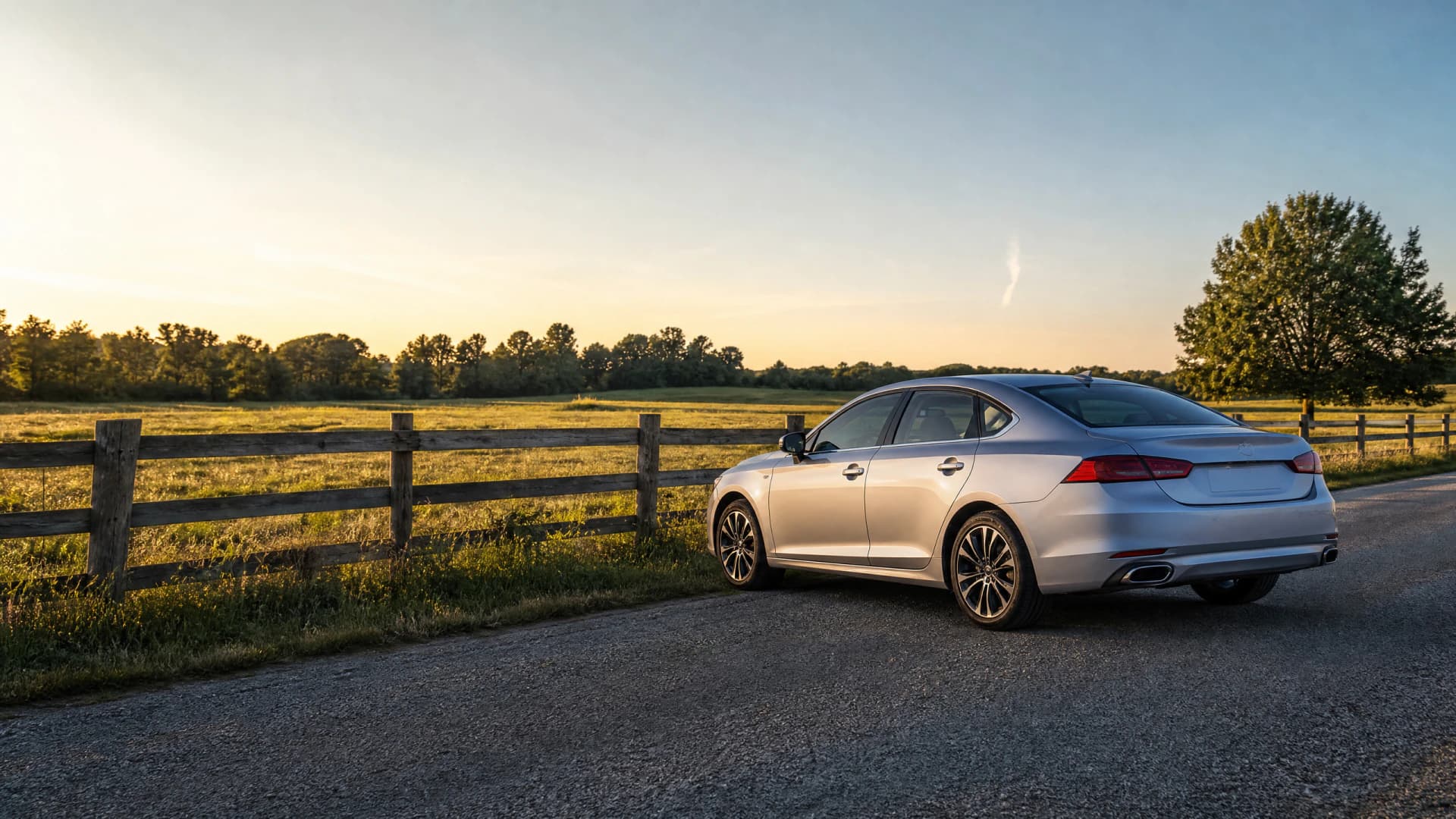
The blocker: your carrier knows you're 68, but they don't know you drive 6,000 miles now instead of 22,000 unless you tell them and verify it annually through their required process.
Related Articles

Low-Mileage Insurance for Retirees Pittsburgh
6/14/2026

Cheapest Insurance Retired Couples Harrisburg
6/14/2026

Low-Mileage Insurance for PA Retirees
6/14/2026

Low-Mileage Insurance for Scranton Retirees
6/14/2026

Low-Mileage Insurance for Philadelphia Retirees
6/14/2026

Low-Mileage Retiree Insurance Lancaster PA
6/14/2026

Pennsylvania Carriers Handling Low-Mileage Retirees
Geico offers a low-mileage discount and writes liability insurance in Pennsylvania with online quote access. Progressive's Snapshot program tracks mileage and driving behavior; enrollment is voluntary, but the discount applies only if you enroll and your verified mileage stays low. Nationwide's SmartRide program functions similarly. State Farm offers both a low-mileage discount and participates in Pennsylvania's mature-driver-course discount under the statutory 5% floor. Erie, headquartered in Pennsylvania, writes preferred-tier policies and offers mature-driver discounts; verify low-mileage program availability through an agent, as Erie operates primarily through independent agents rather than online quote paths.
Allstate writes standard-tier policies in Pennsylvania with online quote availability, though SR-22 forms are not used in Pennsylvania's financial-responsibility system, so Allstate's role here is standard auto rather than high-risk. Travelers, Hartford, and Liberty Mutual all write in Pennsylvania and offer mature-driver discounts; confirm low-mileage program specifics when quoting. Amica and Auto-Owners operate in the preferred tier and may offer mileage-based adjustments, but both require broker or agent contact rather than direct online quoting.
When comparing, ask each carrier two questions: what is your annual mileage threshold for low-mileage discounts, and do you require telematics enrollment or accept odometer verification? The answers vary by carrier, and the carrier offering the lowest rate at 22,000 miles per year is often not the carrier offering the lowest rate at 6,000 miles. The mileage delta changes the competitive landscape.
25
Carriers Writing Auto in PA
Twenty-five carriers were verified writing auto insurance in Pennsylvania as of the most recent data extract. Of these, Geico, Progressive, Nationwide, State Farm, Allstate, Hartford, and Travelers offer online quoting. Others require agent or broker contact.
Pennsylvania auto insurance carriers by state data

Stacking the Mature-Driver Discount on Top of Low-Mileage
Pennsylvania law requires insurers to offer a mature-driver discount of at least 5% to operators age 55 and older who complete a state-approved driver improvement course. This discount is independent of the low-mileage discount. A retiree in Harrisburg who drives 6,000 miles annually and completes the approved course qualifies for both: the mileage-based adjustment and the statutory age-based discount. Neither is applied automatically. The mileage discount requires you to update your profile and verify annual mileage. The mature-driver discount requires you to complete an approved course and submit the certificate to your carrier.
The approved-course list is maintained by PennDOT and includes both in-person and online options. Most courses run 4 to 8 hours and cost between $20 and $40, though the exact cost is set by the provider and not tracked in state systems. After completing the course, you receive a certificate. Submit that certificate to your carrier before your next renewal. The discount applies at renewal and typically renews automatically for three years, after which you must complete the course again and submit a new certificate. Miss the renewal window, and the discount lapses until you resubmit.
Carriers do not coordinate these discounts with PennDOT or with each other. You hold the certificate. You submit it. You verify that it appeared on your next declaration page. If it didn't, you contact your agent and resubmit. The statutory floor is 5%; some carriers exceed it, but the amount above the floor is set by carrier filing and not published uniformly. When you quote, ask what the carrier's mature-driver discount percentage is after course completion. Compare that figure across carriers alongside the low-mileage program structure.
What to Do Right Now
Calculate your annual mileage using the odometer-and-receipt method described earlier. If the result is under 10,000 miles, contact your current carrier and ask about low-mileage discount eligibility and verification requirements. If your carrier offers no mileage-based discount or requires telematics monitoring you're unwilling to accept, request quotes from Geico, Progressive, State Farm, and Erie, all of whom write in Pennsylvania and offer mileage-related programs. State your age, your annual mileage, and ask whether the carrier's mature-driver discount stacks on top of the mileage adjustment. Compare the quoted premium, the verification process, and the discount structure before deciding. The combination of reduced mileage and course completion can produce material savings, but only if you activate both levers and verify annually that they remain applied.
How to Confirm Your Annual Mileage and Trigger the Discount
Start by calculating your current annual mileage. Check your odometer reading today, then check the reading on your last oil-change receipt or inspection sticker. Divide the difference by the number of months between the two readings, then multiply by 12. Round to the nearest thousand. If the figure is under 7,500 miles, you likely qualify for a low-mileage discount with most carriers writing in Pennsylvania. If it's between 7,500 and 10,000, some carriers still apply a reduced-exposure adjustment.
Call your agent or your carrier's customer service line. State your current annual mileage and ask three questions: does the carrier offer a low-mileage discount, what is the mileage threshold, and what verification process applies—annual odometer photo, telematics enrollment, or signed attestation? If the carrier requires telematics and you're uncomfortable with monitoring, ask whether a mileage-attestation option exists. Some carriers allow it; others don't. If your current carrier offers no path to a mileage-based discount, that's the signal to compare carriers that do.
Get Your Free Quote
Get My Pennsylvania Retiree Auto Insurance QuoteFrequently Asked Questions
Do I have to install a tracking device to get a low-mileage discount in Pennsylvania?
Not always. Some carriers, including Progressive and Nationwide, require telematics enrollment to verify low mileage. Others, including Geico and State Farm, offer low-mileage discounts based on annual odometer verification or signed mileage attestation without requiring a device. Ask each carrier what their verification process is when you quote.
Can I stack Pennsylvania's mature-driver discount with a low-mileage discount?
Yes. Pennsylvania's statutory mature-driver discount (at least 5% for drivers 55+ who complete an approved course) is independent of any mileage-based discount. If you drive under your carrier's low-mileage threshold and submit a course-completion certificate, both discounts apply. Verify that both appear on your declaration page at renewal.
How do I know if my annual mileage qualifies for a discount?
Most Pennsylvania carriers offering low-mileage discounts set thresholds at 7,500 or 10,000 miles per year. Calculate your annual mileage by comparing odometer readings from oil changes or inspections over the past 12 months. If you're below the threshold, contact your carrier to request the discount and confirm their verification process.
What happens if I forget to renew my mature-driver course certificate?
The discount lapses. Pennsylvania's statutory mature-driver discount typically renews automatically for three years after you submit your course-completion certificate. After three years, you must complete an approved course again and submit a new certificate before your renewal date. If you miss the window, the discount drops off until you resubmit.
Do all Pennsylvania carriers offer low-mileage discounts?
No. Low-mileage discounts are not mandated by Pennsylvania law, so carriers offer them voluntarily and set their own thresholds and verification rules. When comparing quotes, ask each carrier whether they offer a mileage-based discount, what the threshold is, and how they verify annual mileage. Not all carriers in Pennsylvania offer one.
Can I switch carriers mid-policy to get a low-mileage discount?
Yes, but you'll pay a short-rate penalty if you cancel before your renewal date. Most carriers allow you to cancel anytime, but they refund your unused premium minus a cancellation fee, which reduces the net savings. If your current carrier offers no low-mileage program and you're paying significantly more than a competitor's quote, the penalty may still be worth it. Compare the numbers before canceling.