
Full Coverage on a Paid-Off Car — Scranton, PA
Free to compare
When the Premium Outlasts the Car Payment
You opened your renewal notice and the premium barely moved, though you have not made a claim in a decade and your 2016 Camry has been paid off since 2021. Full coverage made sense when the bank held the title. Now that you own the car outright and drive 4,000 miles a year in retirement, the collision and comprehensive premiums feel disconnected from the sedan's remaining value.
This article clarifies which coverage still earns its cost on a paid-off vehicle of moderate age, how Pennsylvania's mandatory mature-driver discount works, and which carriers writing in Scranton handle low-mileage retiree profiles most favorably. The goal is a structured comparison decision, not guesswork about what to drop.
“Liability coverage protects everything you own; collision and comprehensive protect one aging sedan.”

Lower Your Rate as a Retired Pennsylvania Driver
Get My Pennsylvania Retiree Auto Insurance Quote5%
PA Statutory Discount Floor
Pennsylvania law requires insurers to offer at least a 5% discount to operators 55 and older who complete a state-approved driver improvement course. The discount is not automatic: you must submit proof of completion to your carrier.
75 Pa.C.S. §1799.2
Full Coverage Is a Choice You Control, Not a Mandate
Once the lien releases, Pennsylvania law requires only liability coverage: $15,000 bodily injury per person, $30,000 per accident, and $5,000 property damage. Collision and comprehensive become optional the day you own the car free and clear.
Most retirees carry collision and comprehensive out of habit or because the agent never raised the question at renewal. The coverage is not wrong, but it is a judgment call anchored to the vehicle's current value and your ability to self-insure a total loss. A 2016 sedan in average condition typically holds a market value between $8,000 and $12,000. If your annual collision and comprehensive premiums together approach 15% of that figure, the coverage may cost more over three renewal cycles than replacing the car would.
The structural reality: full coverage protects the asset. When the asset's value has declined and your retirement savings could absorb a replacement cost without hardship, you are paying to insure a depreciating object rather than catastrophic liability exposure. Liability coverage protects everything you own; collision and comprehensive protect one aging sedan.
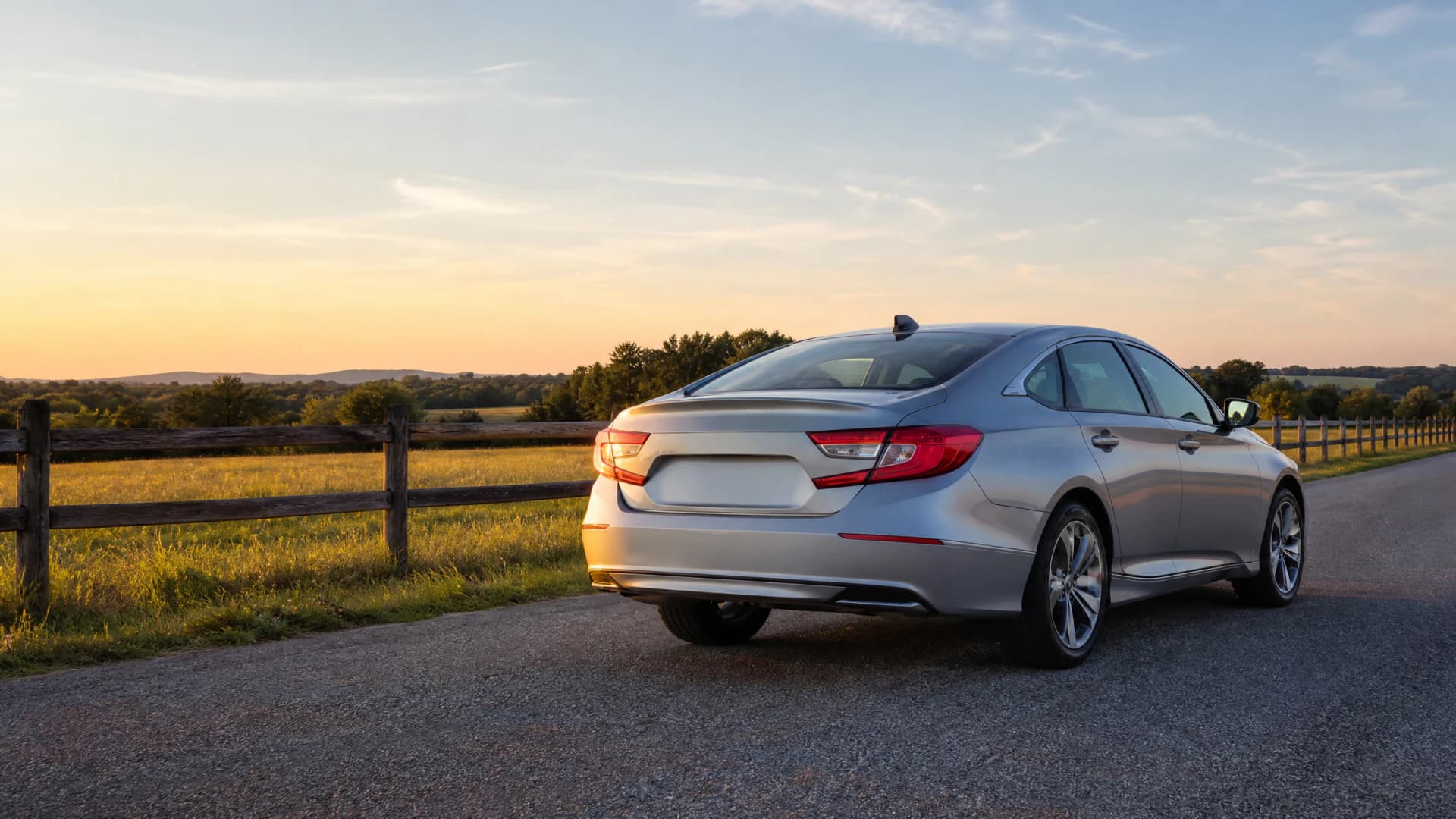
The blocker is informational: you lack the vehicle's current market value and the isolated cost of collision and comprehensive on your renewal notice to weigh one against the other.
Related Articles

Full Coverage on Paid-Off Cars in Wilkes-Barre
6/14/2026

Car Insurance for Retirees in Scranton PA
6/14/2026

Full Coverage for Paid-Off Cars in Bethlehem PA
6/14/2026

Full Coverage After Car Payoff York PA
6/14/2026

Full Coverage After Payoff — Allentown PA
6/14/2026

Paid-Off Car Full Coverage PA Retirees
6/14/2026
State-Specific Gaps Competing Pages Miss
Pennsylvania's mature-driver discount is legally required, but it applies only after you complete a state-approved defensive driving course and submit proof to your carrier. The discount does not trigger automatically at age 55. Many retirees assume the discount applies based on age alone and continue paying the higher rate because they never enrolled in the course.
Course providers approved by PennDOT appear on the state's published list. Carriers will not honor completion certificates from unapproved providers. Your agent may not remind you when the certificate expires. Most mature-driver course certificates remain valid for three years; after that, the discount lapses unless you complete a refresher and resubmit.
The collision deductible you selected when financing the car may no longer fit your position. A $500 deductible made sense when the bank required full coverage; a $1,000 deductible cuts the collision premium meaningfully and still leaves you with reasonable out-of-pocket exposure on a vehicle of moderate value. If you decide to keep collision and comprehensive, raising the deductible is the immediate cost-reduction lever before you consider dropping coverage entirely.
Medical payments coverage and personal injury protection overlap with Medicare for retirees. Pennsylvania requires PIP, but the minimum $5,000 limit may duplicate benefits Medicare already provides. Verify coordination-of-benefits rules with your carrier before increasing PIP limits beyond the statutory floor.
$15,000
PA Bodily Injury Minimum Per Person
Pennsylvania's minimum liability limit is $15,000 per person, $30,000 per accident. Retirees with retirement accounts, home equity, or other assets face exposure above these floors in an at-fault accident. Liability coverage protects those assets; collision and comprehensive do not.
75 Pa. C.S. (Pennsylvania Vehicle Code)

Which Scranton Carriers Handle Low-Mileage Retiree Profiles
Carriers writing in Pennsylvania that offer mature-driver discounts include Erie, State Farm, Nationwide, and Geico. Erie is headquartered in Pennsylvania and writes preferred-tier business through independent agents. State Farm offers the discount after course completion and writes direct. Geico and Progressive both write standard and non-standard tiers and offer online quoting.
Low-mileage and usage-based programs exist at several carriers writing in the state, but eligibility and discount structure vary by insurer. Drivers logging under 7,500 annual miles typically qualify for low-mileage consideration. Usage-based telematics programs track actual mileage and driving behavior; retirees who drive infrequently and avoid rush-hour traffic often perform well under these programs, but the discount amount is set by carrier filing and verified only at quote time.
The Next Step Is a Structured Comparison
Pull your current declaration page and note the collision, comprehensive, and liability line items separately. Look up your vehicle's current actual cash value using NADA or Kelley Blue Book. Calculate the annual collision and comprehensive total as a percentage of the car's value. If that percentage exceeds 12% to 15%, the coverage may not justify its cost over the vehicle's remaining useful life.
Request quotes from at least three carriers writing in Pennsylvania, specifying your actual annual mileage and confirming mature-driver discount eligibility after course completion. Ask each carrier whether they offer a low-mileage program and what documentation it requires. Compare the liability-only premium against full-coverage pricing, then weigh the delta against the vehicle's value and your capacity to self-insure a total loss. That comparison clarifies whether full coverage still earns its cost or whether liability-plus-savings is the better financial position for your household now.
How to Weigh Coverage Against Vehicle Value
Start with the vehicle's actual cash value. Check NADA Guides or Kelley Blue Book for your make, model, year, and mileage. Use the private-party value in good condition, not the trade-in figure. A 2016 Camry with 60,000 miles in the Scranton area typically falls between $9,500 and $11,500. That is the maximum your insurer would pay after a total loss, minus your deductible.
Pull your current declaration page and isolate the collision and comprehensive line items. Add them together for the annual total. If that sum approaches $1,400 to $1,700 on a vehicle worth $10,000, you are paying 14% to 17% of the car's value annually to insure it against physical damage. Over three years, the cumulative premium exceeds half the sedan's replacement cost. At that ratio, self-insuring the vehicle and banking the premium savings becomes the better financial position for many retirees.
Get Your Free Quote
Get My Pennsylvania Retiree Auto Insurance QuoteFrequently Asked Questions
Does Pennsylvania require full coverage on a paid-off car?
No. Pennsylvania requires only liability coverage once the lien releases: $15,000 bodily injury per person, $30,000 per accident, and $5,000 property damage. Collision and comprehensive become optional the day you own the vehicle outright.
How do I get the mature-driver discount in Pennsylvania?
Complete a state-approved defensive driving course and submit proof of completion to your insurer. Pennsylvania law requires carriers to offer at least a 5% discount to operators 55 and older who complete the course, but the discount is not automatic. Certificates typically remain valid for three years.
What is the rule of thumb for dropping collision and comprehensive coverage?
When annual collision and comprehensive premiums together approach 12% to 15% of the vehicle's current market value, the coverage may cost more over a few renewal cycles than replacing the car would. This is a judgment call based on your financial capacity to self-insure a total loss, not a legal requirement.
Which carriers in Pennsylvania offer low-mileage discounts for retirees?
Carriers writing in Pennsylvania that offer low-mileage or usage-based programs include Geico, Progressive, Nationwide, and State Farm. Eligibility and discount structure vary by insurer. Drivers logging under 7,500 annual miles typically qualify, but the discount amount is set by carrier filing and verified at quote time.
Does Medicare cover me if I drop medical payments coverage on my auto policy?
Medicare covers medical expenses after an auto accident, but Pennsylvania requires personal injury protection at a $5,000 minimum regardless. Medical payments coverage is optional and may duplicate Medicare benefits. Verify coordination-of-benefits rules with your carrier before adjusting PIP or med-pay limits.