
Full Coverage for Retirees with Paid-Off Cars — Levittown, PA
Free to compare
When the Lien Releases, the Coverage Decision Shifts
You made the final car payment, received the title, and felt the satisfaction of outright ownership. Then the next insurance renewal arrived with the same premium carrying the same collision and comprehensive coverage you had when the lender required it. Your agent never mentioned that those coverages became optional the moment the lien released, and you kept paying for protection you now choose rather than protection the bank demanded.
This article walks retirees in Levittown through the full-coverage decision once a vehicle is paid off. Pennsylvania law requires liability insurance, personal injury protection, and property damage coverage. Collision and comprehensive protect your vehicle; the state does not mandate them. When you own the car free and clear, the decision rests entirely on whether the annual premium justifies the potential payout if the vehicle is totaled or stolen.
“Collision and comprehensive became optional the day your lien released, and most agents will never surface that fact.”

Lower Your Rate as a Retired Pennsylvania Driver
Get My Pennsylvania Retiree Auto Insurance Quote$15,000
PA Bodily Injury Minimum Per Person
Pennsylvania requires all drivers to carry at least $15,000 per person, $30,000 per accident in bodily injury liability, and $5,000 in property damage liability under 75 Pa.C.S. §1786. Collision and comprehensive sit outside this mandate and remain optional once no lender holds the title.
75 Pa.C.S. §1786 (Required financial responsibility)
What Full Coverage Actually Protects After Payoff
Collision coverage pays to repair or replace your vehicle after an accident regardless of fault. Comprehensive coverage pays for theft, vandalism, hail, flood, fire, and animal strikes. Both coverages pay up to the actual cash value of the vehicle minus your deductible, and both stop the moment the vehicle is totaled or stolen and the claim settles.
When a lender financed the purchase, the loan agreement required collision and comprehensive to protect the bank's security interest. Once you pay off the loan, that requirement disappears. You can drop both coverages, keep both, or keep one and drop the other. The state will not penalize you for dropping them because Pennsylvania law governs liability, not physical-damage coverage on your own vehicle.
The decision hinges on three numbers: your vehicle's current actual cash value, your annual collision and comprehensive premium, and your deductible. If your vehicle is worth $4,000 and your annual premium for both coverages runs $900 with a $1,000 deductible, the maximum net payout after a total loss is $3,000. Many retirees pay that premium for years without recognizing the shrinking return as the vehicle ages and depreciates.
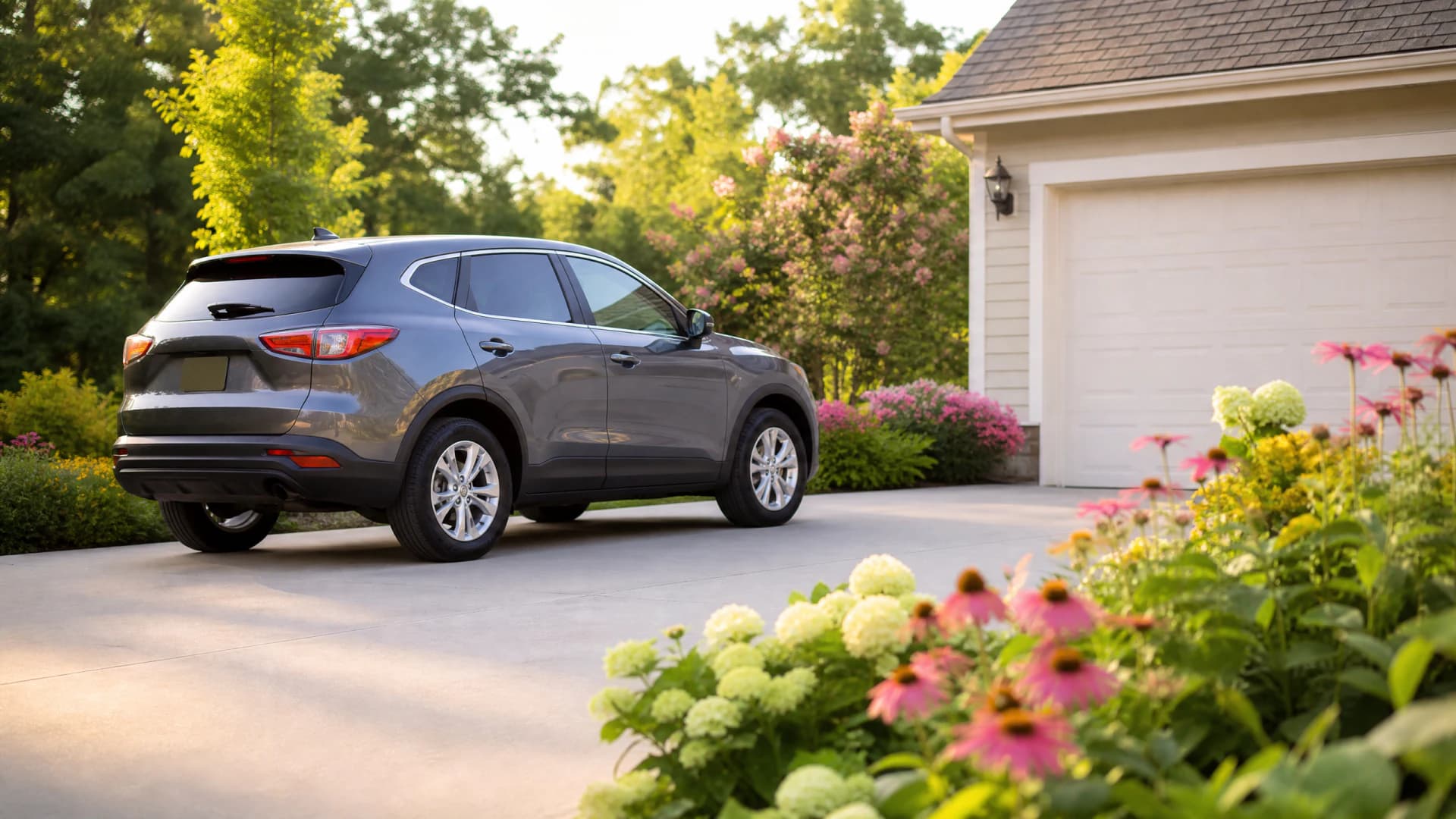
The maximum payout after your deductible may now sit below two years of premiums, and your agent has no incentive to surface that math for you.
Related Articles






Pennsylvania-Specific Considerations for Coverage Fit
Pennsylvania is a choice no-fault state with mandatory personal injury protection. Your PIP coverage pays your medical expenses after an accident regardless of fault, but it does not repair your vehicle. Collision coverage handles vehicle damage in at-fault accidents, and the other driver's property damage liability handles it when they are at fault. Comprehensive covers non-collision events regardless of fault. Dropping collision and comprehensive does not affect your PIP or liability coverage; those remain in force and continue to meet state requirements.
Pennsylvania's limited tort and full tort election affects your ability to sue for pain and suffering, but it does not change your vehicle-damage coverage options. Retirees who selected limited tort to reduce premium still face the same collision and comprehensive decision once the lien releases. Your tort election governs bodily injury claims, not property damage.
If you drive in areas with high rates of uninsured motorists, consider that uninsured motorist property damage coverage is optional in Pennsylvania. Dropping collision means you rely entirely on the at-fault driver's property damage liability or your own uninsured motorist property damage coverage if they lack insurance. Many retirees keep comprehensive to cover theft and weather events while dropping collision to eliminate the largest portion of the physical-damage premium.
5%
PA Mature-Driver Discount Floor
Pennsylvania requires insurers to offer at least a 5% discount to drivers aged 55 and older who complete a state-approved defensive driving course under 75 Pa.C.S. §1799.2. This discount applies to your entire premium, including collision and comprehensive, and can reduce the annual cost enough to shift the coverage-fit calculation.
75 Pa.C.S. §1799.2

Retirees Often Qualify for Discounts That Lower the Premium Floor
Pennsylvania law mandates that insurers offer a mature-driver discount of at least 5% to drivers aged 55 and older who complete an approved defensive driving course. Many carriers exceed the statutory floor, and some offer an age-based discount without requiring course completion. Before deciding to drop collision and comprehensive, confirm whether your current carrier applies the mature-driver discount and whether you qualify. The discount lowers your baseline premium, which in turn reduces the annual cost of keeping the coverage.
Low-mileage and usage-based programs also reduce premiums for retirees who no longer commute. Carriers including Nationwide, Progressive, and Allstate write in Pennsylvania and offer telematics or mileage-tracking programs that adjust rates based on actual driving behavior. If you drive fewer than 7,500 miles annually, ask your carrier or agent whether a low-mileage discount applies and how much it reduces your collision and comprehensive premium specifically. A lower premium changes the cost-benefit calculation and may make keeping the coverage financially sensible for several more years.
How to Adjust Coverage and What Happens at Renewal
Dropping collision or comprehensive requires contacting your carrier or agent and requesting the change in writing. Most carriers process the adjustment immediately and issue a pro-rated refund for the unused portion of the current policy period. Your liability, PIP, and property damage coverage remain in force at the same limits; only the physical-damage coverages change. The adjustment does not trigger a lapse or affect your driving record.
At renewal, confirm that the new premium reflects the dropped coverages and that your liability limits remain adequate. Many retirees increase bodily injury liability limits after dropping collision and comprehensive because retirement-era assets such as home equity and savings accounts become exposed in an at-fault accident. Raising liability limits costs less than most retirees expect and provides better financial protection than collision coverage on a depreciated vehicle. Ask your agent to quote higher liability limits at the same time you adjust physical-damage coverage so you compare the total annual cost under both configurations.

Compare Carriers Before You Drop Coverage
Before making the final decision, request quotes from at least three carriers writing in Pennsylvania that actively compete for senior drivers. Erie, State Farm, Nationwide, and Progressive all write in the state and offer mature-driver and low-mileage programs. Compare the annual premium for liability-only coverage against the annual premium for liability plus collision and comprehensive, applying all discounts you qualify for. The difference between the two configurations is the true annual cost of keeping full coverage, and that cost may be lower than you expect once mature-driver and low-mileage discounts apply.
Carriers price collision and comprehensive differently. One carrier may charge significantly less for the same coverage on the same vehicle because of differences in claims experience, underwriting models, and competitive positioning in the Pennsylvania market. Shopping three carriers takes less than an hour and surfaces the actual cost difference, allowing you to make the decision with real numbers rather than assumptions based on your current premium.
How to Evaluate Whether the Coverage Still Fits
Look up your vehicle's actual cash value using Kelley Blue Book, NADA Guides, or Edmunds. Use the private-party value in good condition as your baseline. Subtract your deductible from that figure to calculate the maximum net payout if the vehicle is totaled tomorrow. Then compare that net payout against your annual collision and comprehensive premium. If the net payout is less than two years of premium, the coverage costs more over a short horizon than it could ever return.
Consider your financial position. If a total loss would force you to finance a replacement vehicle or significantly disrupt your budget, keeping the coverage provides peace of mind even when the math tilts marginal. If you have savings set aside and could replace the vehicle without hardship, dropping collision and comprehensive and self-insuring against the loss often makes more financial sense. This is a judgment call, not a universal rule, and depends entirely on your household's asset position and risk tolerance.
Get Your Free Quote
Get My Pennsylvania Retiree Auto Insurance QuoteFrequently Asked Questions
Do I have to keep full coverage after I pay off my car in Pennsylvania?
No. Pennsylvania law requires liability, personal injury protection, and property damage coverage, but collision and comprehensive are optional once no lender holds the title. You can drop both, keep both, or keep one and drop the other without violating state requirements.
How do I know if keeping collision coverage still makes financial sense?
Subtract your deductible from your vehicle's current actual cash value to find the maximum net payout. Compare that figure against your annual collision premium. If the net payout is less than two years of premium, the coverage costs more over a short horizon than it could return.
Will dropping collision and comprehensive affect my liability coverage?
No. Dropping collision and comprehensive does not change your liability, PIP, or property damage coverage. Those coverages remain in force at the same limits and continue to meet Pennsylvania's legal requirements.
Can I drop collision but keep comprehensive coverage?
Yes. Collision and comprehensive are separate coverages. Many retirees keep comprehensive to cover theft, vandalism, and weather events while dropping collision to eliminate the largest portion of the physical-damage premium.
Does Pennsylvania require a mature-driver discount that lowers full coverage premiums?
Yes. Pennsylvania law requires insurers to offer at least a 5% discount to drivers aged 55 and older who complete a state-approved defensive driving course. The discount applies to your entire premium, including collision and comprehensive, and can reduce the annual cost significantly.
What happens to my premium if I drop collision and comprehensive mid-policy?
Your carrier will issue a pro-rated refund for the unused portion of the current policy period. Your liability, PIP, and property damage coverage remain in force, and the adjustment does not trigger a lapse or affect your driving record.