
Usage-Based Car Insurance — Philadelphia, PA
Free to compare
When the Telematics Discount Never Shows Up
You enrolled in your carrier's usage-based program six months ago. The agent walked you through the app download, you drove exactly as promised — under 7,000 miles annually, no hard braking, minimal night driving — and your renewal notice arrived last week with no rate change. The telematics discount you were told would appear is missing, the carrier has no record of your enrollment completing, or the app logged trips you never made and classified you as higher-risk than before you started.
This article walks you through why usage-based discounts in Pennsylvania do not behave like the state-mandated mature-driver discount, which carrier programs actually serve low-mileage retirees well, and the specific procedural steps that prevent the discount from vanishing at renewal. You will leave knowing how to verify enrollment, confirm mileage tracking, and compare carriers whose telematics programs do not penalize careful drivers who happen to be over 65.
“The mature-driver course discount renews automatically once the certificate is on file. Usage-based discounts do not.”

Lower Your Rate as a Retired Pennsylvania Driver
Get My Pennsylvania Retiree Auto Insurance Quote5%
PA Statutory Mature-Driver Floor
Pennsylvania law requires insurers to offer at least 5% off for drivers 55 and older who complete an approved driver improvement course. Usage-based discounts carry no statutory floor and are set entirely by carrier filing.
75 Pa.C.S. §1799.2
The Structural Reality of Telematics Programs in Pennsylvania
Pennsylvania's mature-driver discount is a legal mandate with a statutory minimum: insurers must offer at least 5% off to drivers 55 and older who complete an approved course. Usage-based programs operate under separate rules with no statutory floor, no automatic application, and no requirement that the carrier offer one at all. The discount amount, the mileage threshold that triggers it, and whether it applies at every renewal or requires re-enrollment are set by each carrier's filed program rules.
Most telematics programs in Pennsylvania are opt-in enrollment programs, not automatic discounts. You enroll at the start of a policy term, the carrier monitors your driving through a plug-in device or smartphone app for a measurement period — typically 90 days to six months — and calculates a discount based on miles driven, time of day, braking patterns, and speed. That discount applies to the following renewal only if you meet the program's thresholds and complete the measurement period before the renewal processes.
The mature-driver course discount renews automatically once the certificate is on file. Usage-based discounts do not. If you do not re-enroll at each term, most carriers drop the discount at the following renewal with no notification beyond the rate change itself.
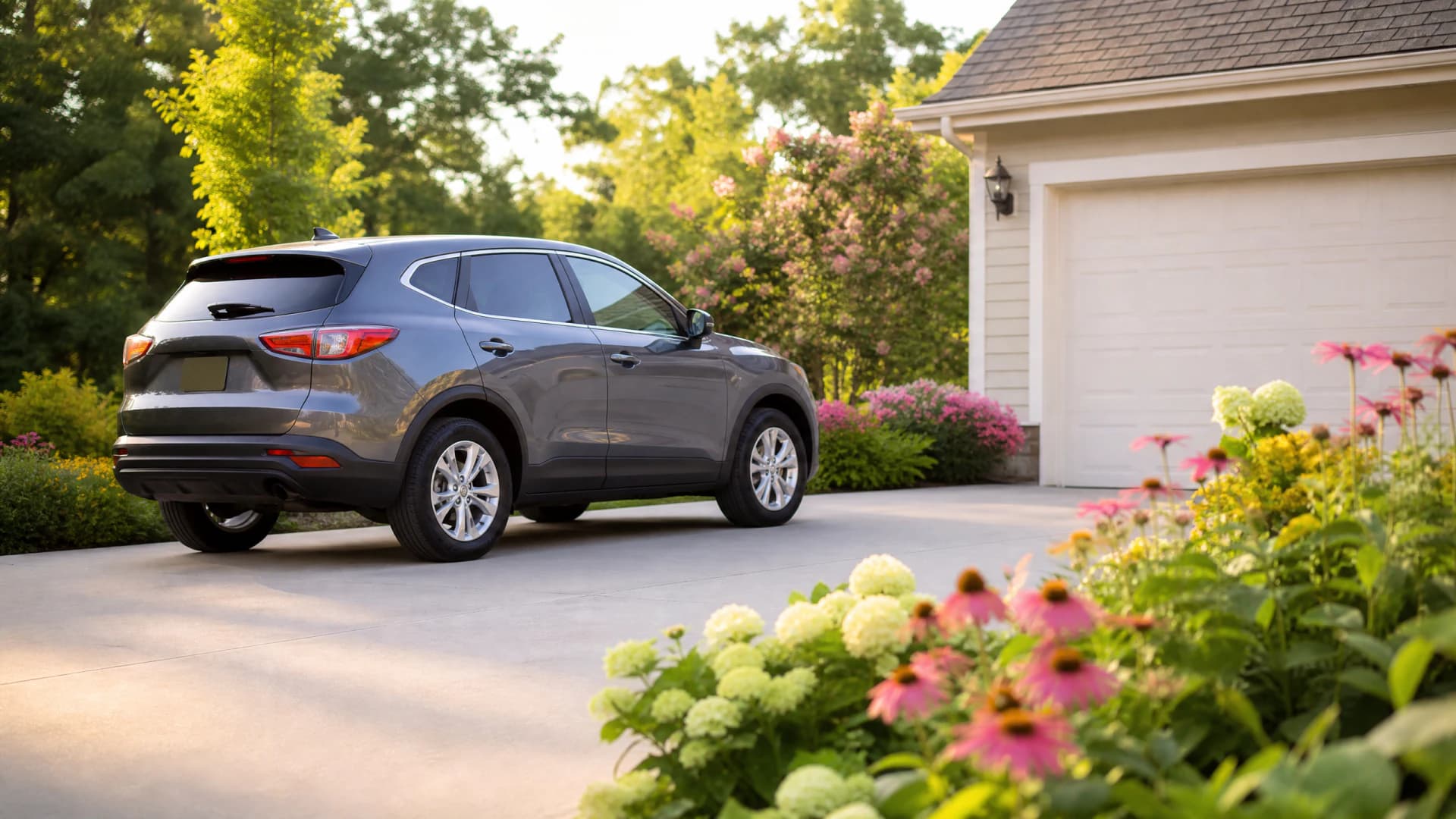
The blocker: your carrier did not tell you that telematics enrollment expires at each term and the discount disappears unless you re-enroll manually before renewal closes.





Carrier Program Structures and Failure Modes
Progressive's Snapshot program in Pennsylvania measures driving behavior over an initial period and assigns a discount at the first renewal. The discount does not automatically continue. You must re-enroll at each subsequent term to maintain it, and the carrier does not send a re-enrollment reminder. If you do not re-enroll within 30 states of your renewal date, the discount drops and your rate reverts to the base premium.
Geico's DriveEasy app runs continuously once enrolled, but the discount fluctuates based on your most recent 90-day behavior window. A single hard-braking event or late-night trip can reduce or eliminate the discount at the next renewal, even if your annual mileage remains low. The app does not distinguish between a panic stop to avoid a collision — a mark of defensive driving — and reckless braking. Both count against you equally.
State Farm's Drive Safe & Save program in Pennsylvania uses a plug-in device that tracks mileage and time-of-day only, not braking or speed. The discount is based solely on miles driven and whether those miles occur during high-risk hours. This structure serves low-mileage retirees better than behavior-tracking apps, but the device must remain plugged in for the entire measurement period. If the device is removed or loses connection for more than seven consecutive days, enrollment cancels and no discount applies.
Allstate's Drivewise program offers participation points and safe-driving bonuses separate from the mileage-based discount. The structure is opaque: the app awards points for each trip, but the points do not translate directly to a dollar discount. Retirees report enrolling, accumulating points, and seeing no rate change at renewal because the points-to-discount conversion depends on thresholds the carrier does not publish.
25
Carriers Writing in Pennsylvania
Twenty-five carriers write auto insurance in Pennsylvania, but only a subset offer usage-based programs, and fewer still design those programs to reward genuinely low-mileage driving rather than penalizing any deviation from ideal behavior.
Pennsylvania Department of Insurance carrier directory

Re-Enrollment Windows and Renewal Timing
Most carriers close telematics re-enrollment 30 days before your renewal date. If your renewal is March 15 and you attempt to re-enroll on February 20, the system will reject the enrollment and process your renewal at the non-discounted rate. The carrier does not defer the discount to the following term. You pay the higher rate for six months, then re-enroll manually for the term after that.
The measurement period must complete before renewal processes. If you enroll 60 days before renewal and the carrier's measurement period is 90 days, your renewal will process before the measurement completes and no discount will apply. Ask your carrier how long the measurement period runs and count backward from your renewal date to determine the latest safe enrollment date.
Compare Carriers That Serve Low-Mileage Retirees
Pennsylvania law guarantees you at least 5% off with a mature-driver course regardless of carrier. Usage-based programs are voluntary, unregulated, and vary wildly in how they calculate and apply discounts. If your current carrier's telematics program penalizes you for driving patterns that are actually safer than your working years — fewer miles, no commute, daylight-only trips — compare carriers whose low-mileage programs are structured around annual mileage thresholds rather than real-time behavior monitoring. Request quotes from carriers writing in Pennsylvania that allow you to declare your annual mileage at application and adjust your rate accordingly, without requiring app tracking or device installation. Verify that the mature-driver course discount and any mileage-based discount stack, and confirm in writing that neither requires re-enrollment beyond submitting an updated course certificate when yours expires.
How to Verify Enrollment and Mileage Tracking
Log into your carrier's telematics portal or app and confirm that enrollment shows as active, not pending. Pending status means the carrier has not processed your enrollment and will not calculate a discount at renewal. Call the telematics program phone line — not your agent, the dedicated program support number listed in the app or enrollment email — and ask for written confirmation that your enrollment is active and your measurement period end date. If the measurement period has not started or ends after your renewal date, the discount will not appear on the next bill.
Download your trip log from the app and compare it against your actual mileage. Telematics devices log every ignition event, including trips you did not make: a spouse driving your vehicle, a mechanic test-driving after service, or a family member borrowing the car for errands. Each trip counts toward your total mileage and your risk score. If the log shows trips you did not drive, contact the program support line and request a trip-by-trip review. Most carriers allow you to dispute individual trips, but the window to do so closes 30 days after the trip date.
Get Your Free Quote
Get My Pennsylvania Retiree Auto Insurance QuoteFrequently Asked Questions
Do I have to re-enroll in my carrier's telematics program every year?
Most Pennsylvania carriers require you to re-enroll in usage-based programs at each policy term for the discount to continue. The discount applies to one renewal only, then drops unless you manually re-enroll within the carrier's enrollment window, typically 30 to 60 days before your renewal date. Ask your carrier whether their program requires annual re-enrollment or runs continuously once activated.
Can I use both the mature-driver discount and a telematics discount?
Yes, Pennsylvania's statutory mature-driver discount and carrier telematics discounts stack in most cases, but you must verify with each carrier. The mature-driver discount is guaranteed by law at a minimum of 5% for drivers 55 and older who complete an approved course. Telematics discounts are voluntary programs with amounts set by carrier filing, and some carriers cap the total discount you can receive from all sources combined.
What happens if the telematics app logs trips I did not drive?
Contact your carrier's telematics program support line immediately and request a trip-by-trip review. Most carriers allow you to dispute individual trips within 30 days of the trip date, but the window closes after that and incorrect mileage becomes permanent in your record. Download your trip log monthly and compare it against your actual driving to catch errors before the dispute window expires.
Why did my telematics discount disappear at renewal even though I enrolled?
Three common causes: your enrollment remained in pending status and never activated, your measurement period ended after your renewal processed so no discount was calculated, or you did not re-enroll for the new term and the carrier dropped the discount. Log into your carrier's telematics portal and confirm that enrollment shows active, the measurement period completed before your renewal date, and re-enrollment is not required for your specific program.
Do all carriers in Pennsylvania offer usage-based programs?
No. Twenty-five carriers write auto insurance in Pennsylvania, but only a subset offer telematics programs, and program availability varies by underwriting tier and policy type. Ask each carrier during quoting whether they offer a mileage-based or behavior-based program, how the discount is calculated, and whether re-enrollment is required at each term.