
Best Car Insurance for Retirees — Pittsburgh
Free to compare
The Discount You Qualified For Isn't on Your Bill
You took the defensive driving course your neighbor recommended, passed the final exam, and mailed the certificate to your agent. Three months later your renewal arrives and the premium is unchanged—or higher. You call and ask why the mature-driver discount you qualified for never appeared. The agent tells you they never received the certificate, or that it expired, or that you need to re-enroll. This exact sequence plays out for thousands of Pennsylvania retirees every year.
Pennsylvania law requires every auto insurer writing in the state to offer a mature-driver discount of at least 5% to drivers 55 and older who complete a state-approved driver improvement course. The statute is clear: 75 Pa.C.S. §1799.2. What the statute does not require is that carriers apply the discount automatically, notify you when your certificate expires, or reapply it at renewal without a new submission. Most do not.
“Pennsylvania law guarantees the discount floor; it does not require carriers to remind you when your certificate expires or reapply it without new proof.”

Lower Your Rate as a Retired Pennsylvania Driver
Get My Pennsylvania Retiree Auto Insurance Quote5%
Statutory Mature-Driver Discount Floor
Pennsylvania law mandates insurers offer at least a 5% discount to drivers 55+ who complete an approved course. Carriers may exceed this floor, but the statute guarantees the minimum. Many Pennsylvania seniors never claim it because they do not know submission and recertification are required.
75 Pa.C.S. §1799.2
Why Carriers Do Not Apply the Discount Without Proof
The discount exists, but carriers treat it as an affirmative claim you make, not as an automatic age benefit. You must submit proof of course completion. Most carriers accept the certificate from the course provider, but some require you to log the completion in their online portal or file it through your agent. The filing method varies by carrier, and the instructions are rarely on your policy documents.
Certificates typically remain valid for three years. After three years, most carriers drop the discount and require you to complete a new course and submit a new certificate. Some carriers send a reminder notice before expiration; most do not. If you miss the window, the discount disappears at your next renewal and your premium increases. The increase is not labeled as a discount removal—it appears as a rate adjustment or an age-bracket change, and many retirees never realize what happened.
This procedural structure exists because the discount is tied to course completion, not to age alone. Pennsylvania law does not require carriers to track your certificate expiration or notify you. The compliance obligation is offering the discount to those who qualify and submit proof. Everything beyond that—reminder notices, automatic recertification, streamlined filing—is carrier discretion, and most carriers do not volunteer it.
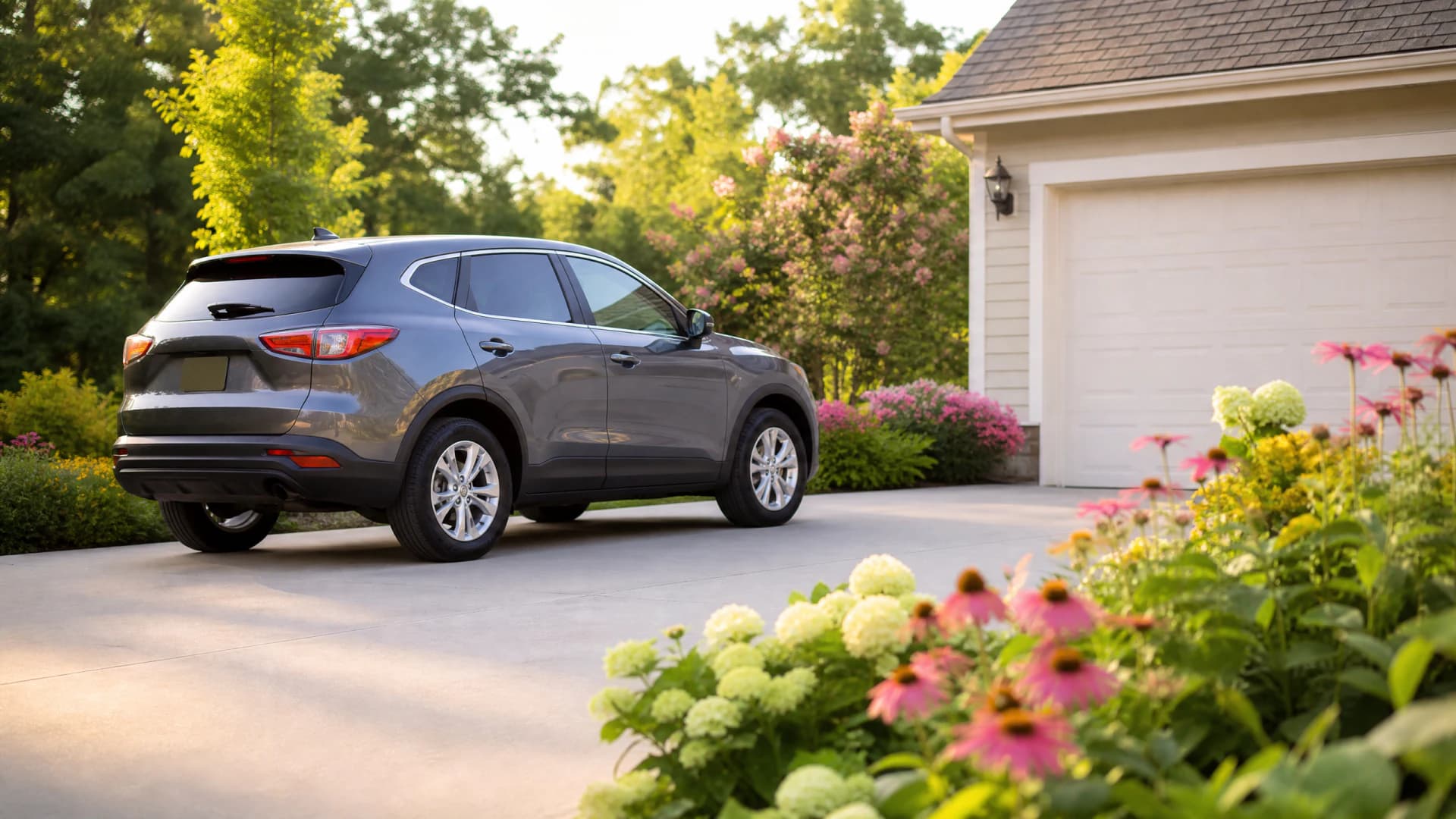
Your certificate expires in three years. Most carriers will not remind you, and the discount will drop at renewal without notice. Mark your renewal date three years out and recertify before it arrives.
Related Articles



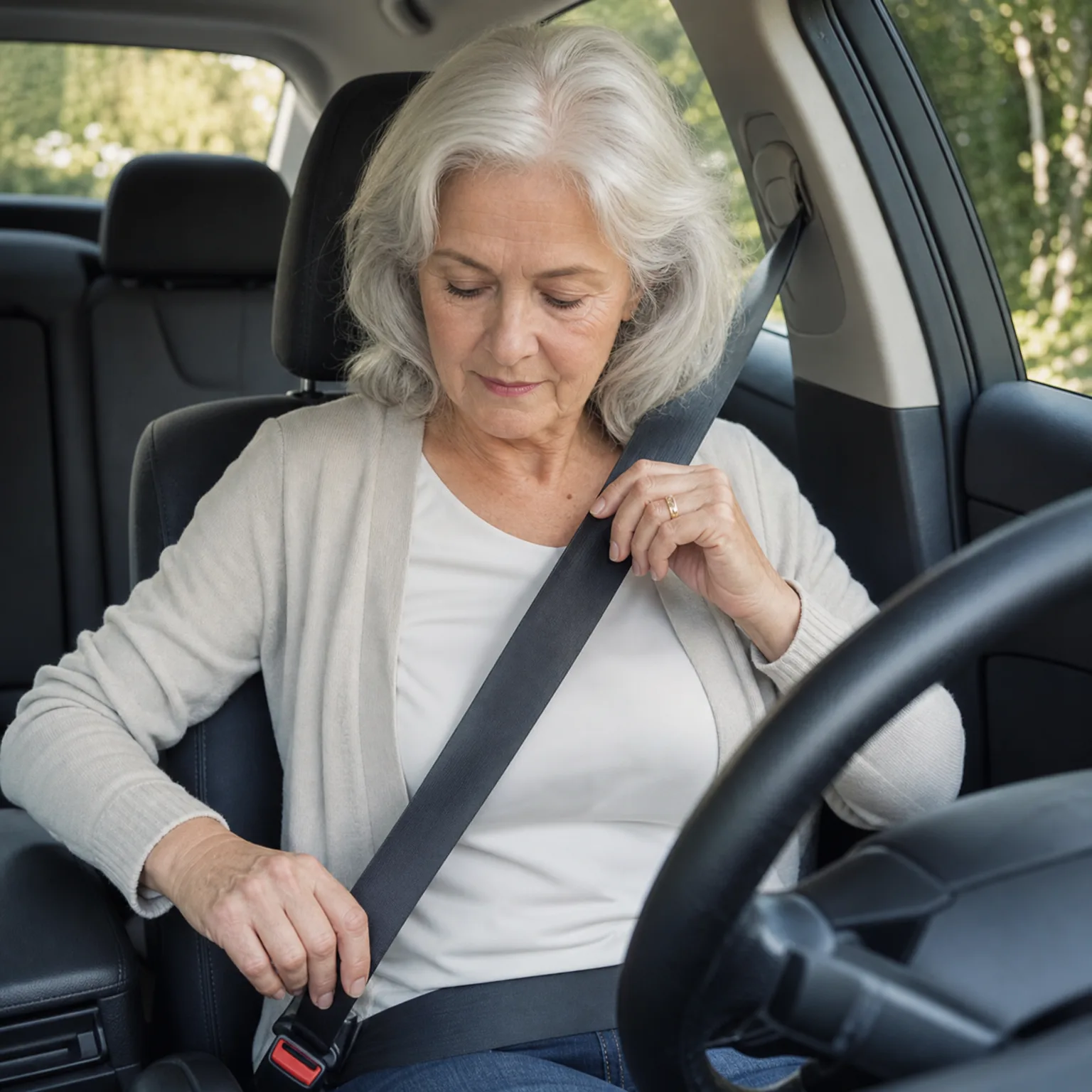



How to Confirm the Discount Actually Applied
Submit your certificate, then call your carrier 10 business days later and ask for written confirmation that the mature-driver discount was applied and the date it will expire. Do not assume it went through. Request the confirmation by email or mail. If the representative cannot provide an expiration date, the discount was not filed correctly, and you need to resubmit.
Check your next billing statement or renewal notice for a line item showing the discount by name. Some carriers list it as "Mature Driver Discount" or "Defensive Driving Discount." Others fold it into a broader "Safe Driver" category without naming it separately. If you do not see it itemized and your premium did not decrease, call again. Agents and customer service representatives will tell you the discount is "included in your rate"—that is not confirmation. Ask for the percentage and the expiration date in writing.
Pennsylvania law does not require carriers to itemize discounts on billing statements, so some do not. If your carrier will not provide written confirmation, request your full policy declarations page, which should list all applied discounts and their expiration dates. If the mature-driver discount does not appear there, it was never filed. Resubmit the certificate and escalate through a supervisor if the agent resists.
Set a calendar reminder for two months before the three-year expiration date. Enroll in the course again, complete it, and submit the new certificate before your current one lapses. Do not wait until renewal. If the certificate expires before renewal and you have not submitted a new one, the discount disappears and your premium increases. Recertifying early costs you nothing and prevents the increase.
25
Carriers Writing in Pennsylvania
Twenty-five carriers write auto insurance in Pennsylvania, but fewer than half make mature-driver discount filing straightforward. Comparing carriers means comparing which ones accept online certificate upload, send expiration reminders, and process the discount within one billing cycle.
Pennsylvania Department of Insurance carrier database

Low-Mileage and Usage-Based Programs for Pittsburgh Retirees
The commute is gone. You drive to the grocery store, medical appointments, and social commitments—maybe 6,000 miles a year instead of the 12,000 to 15,000 you drove while working. Your premium should reflect that reduction, but most standard policies assume higher annual mileage unless you affirmatively enroll in a low-mileage or usage-based program. These programs track your actual driving and adjust your rate accordingly.
Geico, Progressive, Nationwide, and Allstate all offer usage-based programs in Pennsylvania that use a telematics device or smartphone app to monitor mileage, speed, braking, and time of day. The discount potential varies: some retirees see reductions of 10% to 20% after the monitoring period, but the programs penalize hard braking and late-night driving, which can offset mileage savings. If you drive mostly during daylight and avoid highways, the programs work well. If you make frequent short trips with abrupt stops in Pittsburgh traffic, the monitoring may not help.
Liability insurance premiums are less sensitive to mileage than collision coverage, so low-mileage programs produce the largest savings for retirees who still carry full coverage. If you dropped collision and comprehensive because your vehicle is paid off and aging, the telematics discount shrinks. Ask your carrier whether they offer a flat low-mileage discount instead of a monitored program—some do, and it avoids the privacy and behavioral-monitoring concerns many retirees have about telematics.
Coverage Fit Once the Car Is Paid Off
You own a 2015 sedan outright. It runs well, you maintain it, and replacing it is not a near-term concern. Your agent tells you to keep full coverage because "you never know." That is not wrong, but it is not financial advice tailored to your situation. Full coverage on a paid-off vehicle of moderate value is a judgment call, not a requirement, and the numbers matter.
Collision and comprehensive premiums do not drop proportionally as your vehicle ages. You may be paying $600 to $800 annually to insure a vehicle worth $6,000. If you file a total-loss claim, the carrier pays the actual cash value minus your deductible—likely $5,000 to $5,500 after depreciation and the $500 or $1,000 deductible. That means you are paying 10% to 15% of the vehicle's value annually to protect against a loss the insurance will not fully cover. After two or three years of premiums, you have paid more than the net claim payout.
The mature-driver discount and low-mileage programs reduce your liability premium, but they do not eliminate the collision and comprehensive cost on an aging vehicle. If your household has retirement savings or other assets that could replace the vehicle without financial distress, dropping collision and comprehensive and keeping only liability insurance and uninsured motorist coverage is often the lower-cost path. That decision depends on your asset position, not on age or driving record.

Next Step: Compare Carriers and Confirm Your Discount
Call your current carrier today and ask for written confirmation of your mature-driver discount status, the percentage applied, and the expiration date. If you do not have one on file, ask which state-approved course they accept and how to submit the certificate. If your certificate is expiring within six months, enroll in the recertification course now and submit the new certificate before renewal.
Request quotes from Erie, State Farm, and USAA if you are eligible. These three carriers have the most retiree-friendly discount-filing processes among major carriers writing in Pennsylvania. Ask each carrier how they handle certificate submission, whether they send expiration reminders, and how soon the discount appears on your bill after filing. Compare not just the quoted premium, but the procedural clarity—a carrier that makes recertification easy is worth more than one that quotes $20 lower but requires manual agent intervention every three years.
Which Pittsburgh Carriers Handle Mature-Driver Discounts Well
Erie, headquartered in Pennsylvania, allows online certificate upload through their policyholder portal and sends an email reminder 90 days before the discount expires. State Farm requires you to log the course completion through your agent, but most agents file it the same day if you provide the certificate number. Geico and Progressive accept certificate uploads online, but neither sends expiration reminders—you must track the three-year window yourself. Nationwide requires phone submission through their customer service line, and the discount does not appear until the next billing cycle, which confuses retirees who expect immediate confirmation.
Allstate and Travelers both accept certificates by mail or through agents, but processing times vary by office, and some Pittsburgh-area agents report delays of 30 to 60 days before the discount shows on the bill. Farmers requires online submission and offers no phone alternative, which creates friction for retirees without reliable internet access. USAA accepts online and mail submission and applies the discount retroactively to the date the certificate was issued, which is the most retiree-friendly processing method among major carriers writing in Pennsylvania.
Get Your Free Quote
Get My Pennsylvania Retiree Auto Insurance QuoteFrequently Asked Questions
How do I know if my mature-driver discount is still active?
Call your carrier and ask for the discount expiration date in writing. If they cannot provide one, the discount was never filed or has already lapsed. Request your policy declarations page, which should list all active discounts and their expiration dates. If the mature-driver discount does not appear, resubmit your course certificate.
What happens if my certificate expires before my renewal date?
The discount drops at renewal and your premium increases. Most carriers do not send reminders. Set a calendar alert for two months before the three-year expiration, complete a new approved course, and submit the certificate before renewal. Recertifying early prevents the increase.
Which Pennsylvania-approved courses qualify for the discount?
Pennsylvania does not publish a single statewide approved-course list, but most carriers accept AARP Smart Driver, AAA Roadwise Driver, and National Safety Council Defensive Driving. Ask your carrier which courses they accept before enrolling. Submitting a certificate from an unapproved provider delays the discount or requires you to retake an approved course.
Can I get the discount if I am under 55?
No. The Pennsylvania statute requires insurers to offer the discount only to drivers 55 and older who complete an approved course. Drivers under 55 may qualify for other safe-driver discounts, but the mature-driver discount is age-gated by law.
Do all carriers in Pennsylvania offer the same 5% discount?
Pennsylvania law requires a minimum of 5%, but carriers may offer more. Some Pennsylvania carriers offer 8% to 10% for course completion. Ask each carrier what their mature-driver discount percentage is—it is set by carrier filing, not uniform across the market.
Does Medicare replace medical payments coverage on my auto policy?
No. Medicare covers injuries after an accident, but it does not coordinate with auto insurance the way health insurance does. Medical payments coverage or PIP on your Pennsylvania auto policy pays immediately without waiting for Medicare claims processing, and it covers passengers who may not have Medicare. Many retirees keep modest medical payments coverage to avoid Medicare claim delays.