
Low-Mileage Car Insurance for Retirees — Scranton, PA
Free to compare
Why Your Premium Hasn't Dropped With Your Mileage
You stopped commuting to work two years ago. Your odometer shows 5,200 miles for the year — less than half what you drove during your working decades. But when you opened your renewal notice last month, the premium was higher than last year, not lower. No accidents, no tickets, nothing changed except the mileage, and your rate went up anyway.
Pennsylvania insurers price policies using the annual mileage estimate you provided when you last updated your policy, not the actual miles you drive now. If that estimate still reflects your pre-retirement commute, you're paying for exposure you no longer create. Most carriers writing in Pennsylvania offer mileage-based discounts or usage programs for low-mileage drivers, but enrollment is not automatic. The carrier will not call you when your driving pattern changes. You ask, or you keep paying the higher rate.
“Carriers will not reduce your rate when your mileage drops unless you update your estimate and request the program at renewal.”

Lower Your Rate as a Retired Pennsylvania Driver
Get My Pennsylvania Retiree Auto Insurance Quote25
Carriers Writing in Pennsylvania
Twenty-five carriers are licensed to write auto insurance in Pennsylvania, and the majority offer some form of mileage discount or usage-based program. Eligibility thresholds and discount structures vary by carrier; low-mileage programs typically require annual mileage below 7,500 or 10,000 miles, while telematics programs measure actual driving behavior through a mobile app or plug-in device.
Pennsylvania Department of Insurance carrier licensure data
What Counts as Low Mileage in Pennsylvania
Low-mileage thresholds are set by each carrier's underwriting guidelines, not by state regulation. Most Pennsylvania carriers define low mileage as annual driving below 7,500 miles; some use a 10,000-mile threshold. A few carriers tier the discount — one rate reduction for drivers under 10,000 miles, a larger reduction for drivers under 5,000.
The mileage figure that matters is your honest estimate of annual miles for the upcoming policy term, not last year's odometer reading. If you drove 12,000 miles last year but retired in September and now drive 6,000 annually, the lower estimate applies at your next renewal. Carriers verify mileage estimates through odometer photos at renewal or periodic reporting requirements, so the estimate must reflect your actual driving pattern.
If your driving mileage is genuinely low but varies month to month — high in summer when you visit family out of state, minimal in winter — a usage-based program that measures actual monthly mileage may fit better than a flat low-mileage discount. The program adjusts your rate each month based on miles driven that month, not an annual estimate locked in at renewal.
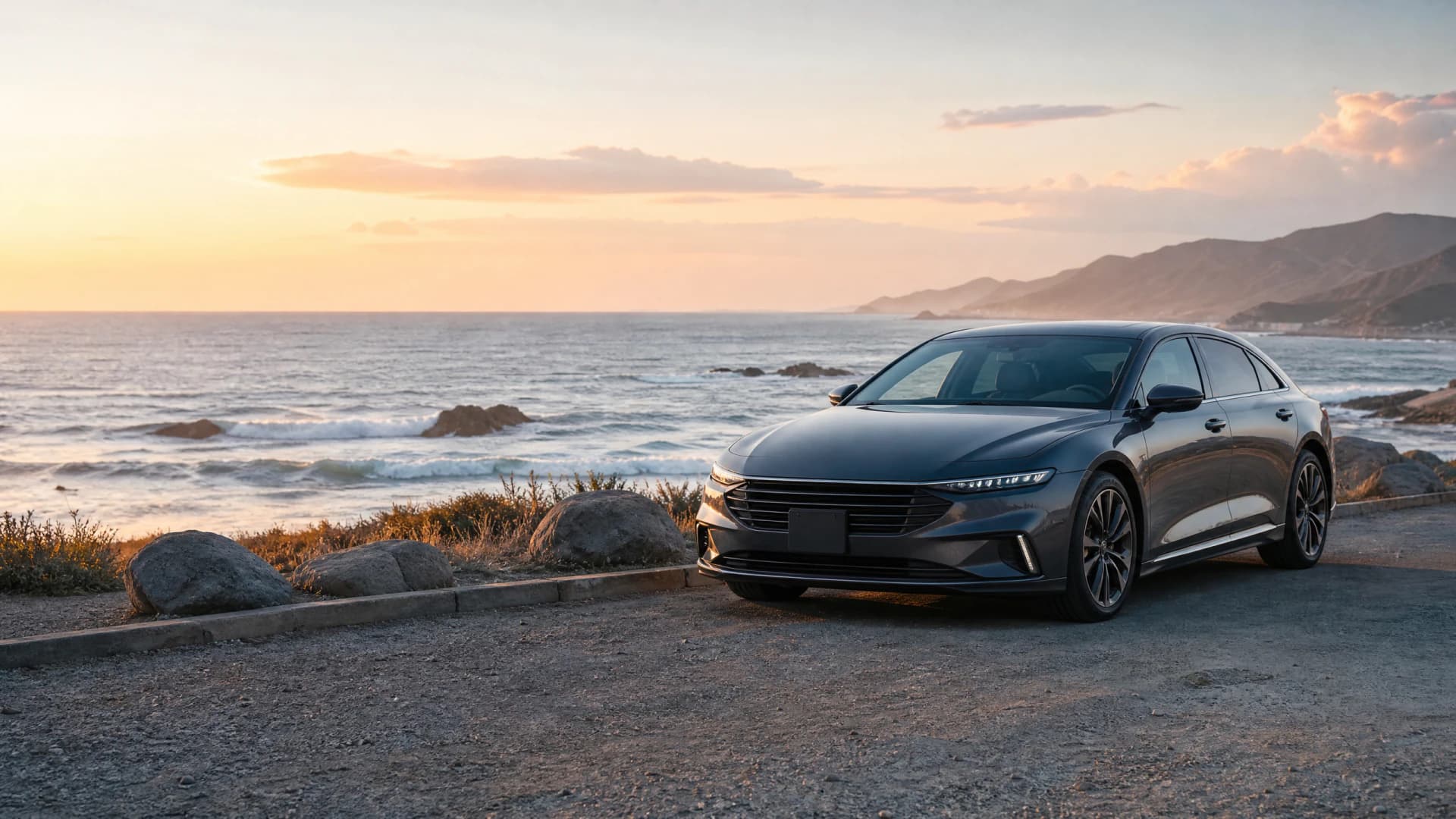
The procedural blocker: carriers will not reduce your rate based on lower mileage unless you update your annual mileage estimate and request enrollment in the low-mileage or usage program at renewal.
Related Articles

Low-Mileage Insurance for Philadelphia Retirees
6/14/2026
Best Car Insurance for Retirees in Scranton PA
6/14/2026

Low-Mileage Insurance Wilkes-Barre PA
6/14/2026

Low-Mileage Insurance for PA Retirees
6/14/2026

Cheapest Car Insurance for Scranton Retirees
6/14/2026

Low-Mileage Retiree Insurance Lancaster PA
6/14/2026

Telematics Programs and Privacy Concerns
Usage-based programs measure more than mileage. Most track speed, braking patterns, time of day, and in some cases GPS location. The data feeds into a driving score that determines your discount amount. Programs marketed as pay-per-mile (such as Allstate Milewise) charge a daily base rate plus a per-mile rate; the lower your mileage, the lower your total premium. Programs marketed as safe-driving discounts (such as Progressive Snapshot or State Farm Drive Safe & Save) offer a discount based on how you drive, not just how much.
If the idea of a carrier tracking your location and driving habits makes you uncomfortable, stick with a traditional low-mileage discount that requires only an annual mileage estimate and periodic odometer verification. The discount percentage will be smaller than what a telematics program might offer, but no device or app monitors your driving. If you are willing to share driving data for a larger discount, read the program's privacy policy before enrolling to confirm what data the carrier collects, how long they retain it, and whether they share it with third parties.
One failure mode competing pages omit: if your telematics score comes back worse than the carrier expected, some programs will increase your rate rather than discount it. Progressive Snapshot and a few others guarantee the program will not raise your rate — you either get a discount or pay the same base rate you started with. Confirm whether the program you are enrolling in includes that guarantee before you agree to tracking.
5%
PA Mature-Driver Discount Floor
Pennsylvania law requires insurers to offer a discount of at least 5% to drivers aged 55 and older who complete a state-approved defensive driving course. The statute is 75 Pa.C.S. §1799.2. This discount stacks with low-mileage and usage-based discounts at most carriers, but you must request both separately — completing the course does not automatically enroll you in a mileage program.
75 Pa.C.S. §1799.2
Combining the Mature-Driver and Low-Mileage Discounts
Pennsylvania's mature-driver discount and a carrier's low-mileage program are separate underwriting decisions. Most carriers allow you to stack both, but you must request each one independently. Completing a state-approved defensive driving course qualifies you for the statutory 5% minimum discount; updating your mileage estimate and enrolling in a usage or low-mileage program qualifies you for the mileage-based reduction. Neither triggers the other automatically.
The sequence that produces the lowest premium: first, complete the state-approved defensive driving course and submit the certificate to your carrier. Confirm the mature-driver discount appears on your policy. Then contact your carrier to update your annual mileage estimate and request enrollment in their low-mileage or telematics program. Both discounts will apply at your next renewal if your carrier allows stacking. A few carriers cap total discount percentages; ask whether there is a maximum combined discount before you enroll in both programs.
When Low Mileage Alone Is Not Enough
If your carrier offers a low-mileage discount but the reduction is small — 3% to 5% off your current premium — and you are still paying more than you think you should, the mileage discount is masking a larger pricing issue. Some carriers price all drivers over 70 into higher rate tiers regardless of mileage or record, a practice legal in Pennsylvania. Others penalize long tenure by never re-rating loyal customers into lower-priced cohorts introduced after you first bought the policy.
The honest answer: if your current carrier's low-mileage discount does not bring your premium into a range you consider fair, compare carriers that treat retiree profiles more favorably in Pennsylvania. Erie, Nationwide, and USAA (if you are military-affiliated) consistently price competitive rates for experienced drivers with low annual mileage and clean records. Auto-Owners and Amica also write preferred-tier policies for retirees in Pennsylvania and offer both mileage and mature-driver discounts. Request quotes from at least three carriers, providing your actual current annual mileage and confirming you qualify for the mature-driver discount. The price difference between your current carrier and a competitor that underwrites retirees well can exceed any single discount.

Next Step: Update Your Mileage Estimate Now
Call your current carrier tomorrow. Ask whether they offer a low-mileage discount or usage-based program, what the annual mileage threshold is, and what you need to do to enroll before your next renewal. If they offer one and the discount amount is meaningful, submit your updated mileage estimate and enroll. If they do not offer a mileage program or the discount is too small to matter, request quotes from Erie, Nationwide, and one telematics-focused carrier such as Progressive or Allstate. Provide your honest annual mileage estimate, confirm you have completed or are willing to complete the state-approved defensive driving course, and compare the final premium offers. You will know within a week whether switching carriers saves more than any single discount your current carrier will give you.
How to Enroll in a Low-Mileage Program
Contact your current carrier 30 to 45 days before your renewal date. Ask explicitly whether they offer a low-mileage discount or a usage-based program, what the mileage threshold is, and what documentation they require. Some carriers accept a verbal mileage estimate over the phone; others require you to submit odometer photos through their mobile app or policyholder portal. If your carrier offers both a flat low-mileage discount and a telematics program, ask which one produces the larger rate reduction for your actual mileage pattern.
If your carrier does not offer a mileage program or the discount amount is minimal, compare carriers that specialize in low-mileage and retiree profiles. Carriers writing in Pennsylvania that explicitly market low-mileage and usage programs include Nationwide (SmartMiles), Progressive (Snapshot), Allstate (Milewise), GEICO (DriveEasy), State Farm (Drive Safe & Save), and Liberty Mutual (RightTrack). Enrollment in telematics programs typically requires you to install a mobile app or plug-in device that reports mileage and driving behavior to the carrier for 90 days to 6 months before the discount applies.
Get Your Free Quote
Get My Pennsylvania Retiree Auto Insurance QuoteFrequently Asked Questions
How do I know if I qualify for a low-mileage discount in Pennsylvania?
Most Pennsylvania carriers define low mileage as annual driving below 7,500 or 10,000 miles. Contact your carrier and ask what their threshold is, then provide an honest estimate of your annual mileage for the upcoming policy term. Carriers verify estimates through odometer photos at renewal, so your estimate must reflect your actual driving pattern.
Can I combine a low-mileage discount with Pennsylvania's mature-driver discount?
Yes, most Pennsylvania carriers allow you to stack both discounts, but you must request each separately. Completing a state-approved defensive driving course qualifies you for the mature-driver discount; updating your mileage estimate and enrolling in a mileage program qualifies you for the low-mileage reduction. Neither triggers the other automatically.
What is the difference between a low-mileage discount and a usage-based program?
A low-mileage discount applies a flat percentage reduction to your premium if your annual mileage estimate falls below a carrier-defined threshold, typically 7,500 or 10,000 miles. A usage-based program tracks your actual driving through a mobile app or device and adjusts your rate monthly based on miles driven and driving behavior. Usage programs often produce larger discounts but require you to share driving data with the carrier.
Will a telematics program raise my rate if my driving score is low?
Some telematics programs will increase your rate if your driving score is worse than expected; others guarantee the program will not raise your rate and you either receive a discount or pay your base premium. Progressive Snapshot and a few other programs include that guarantee. Confirm whether the program you are enrolling in caps rate increases before you agree to tracking.
Which carriers in Pennsylvania offer the best low-mileage programs for retirees?
Erie, Nationwide, USAA (military-affiliated only), Auto-Owners, and Amica consistently offer competitive low-mileage and mature-driver discounts for retirees in Pennsylvania. Progressive, Allstate, GEICO, State Farm, and Liberty Mutual offer telematics programs that may produce larger discounts if you are comfortable sharing driving data. Request quotes from at least three carriers to compare final premium offers.